
A Private Photography Safari in Kenya – A Trip of a Lifetime
It was back in 2017 when we joined our first photography trip organised by Amazing Views. Since then, we’ve joined numerous landscape photography trips across Europe, travelled to Svalbard, and experienced what was, until now, our most extraordinary journey: Antarctica.
It was clear that the next big adventure had to take us to Africa, to experience and photograph its legendary wildlife. Amazing Views offers a wide range of wildlife photography trips across Africa, we chose something very special: Kenya, with only three guests plus Thomas from Amazing Views.
A Safari Almost Just for Us
Just one day before departure, Thomas texted to inform us that the third guest had suffered an accident and wouldn’t be able to join the trip. While we felt genuinely sorry for her, the practical result was that there would be only two guests – us.
Very selfishly speaking: more space in the vehicle. For a photography safari, this was absolutely perfect.
Arival in Kenya
We flew from Zurich to Frankfurt and from there to Nairobi, arriving in the evening. Amazing Views had organised the airport pickup and our overnight stay at a hotel near the airport. The next morning we met Thomas and headed to the local airport.
From there, a small plane flew us to an airstrip near our first lodge. Shortly after landing, the lodge’s Land Cruiser arrived to pick us up—our safari had officially begun.
Conservancies vs. National Parks
Our destination was not inside the Maasai Mara National Reserve itself, but two of the surrounding Maasai-owned conservancies. This turned out to be a significant advantage, as we soon learned.
In the national reserve, vehicles are generally required to stay on designated roads. In the conservancies, guides are allowed to drive off-road. For photographers, this makes an enormous difference: better angles, better light, and far more flexibility.
Another big plus: far fewer vehicles. We usually shared sightings with just one to three other cars. Only once were we part of a larger group—more than five vehicles surrounding a leopard and her cub—and even that already felt uncomfortable. Seeing images with 20 or 40 vehicles around one animal? That’s exactly what we wanted to avoid.
Olare Motorogi Conservancy – Luxury in the Wild
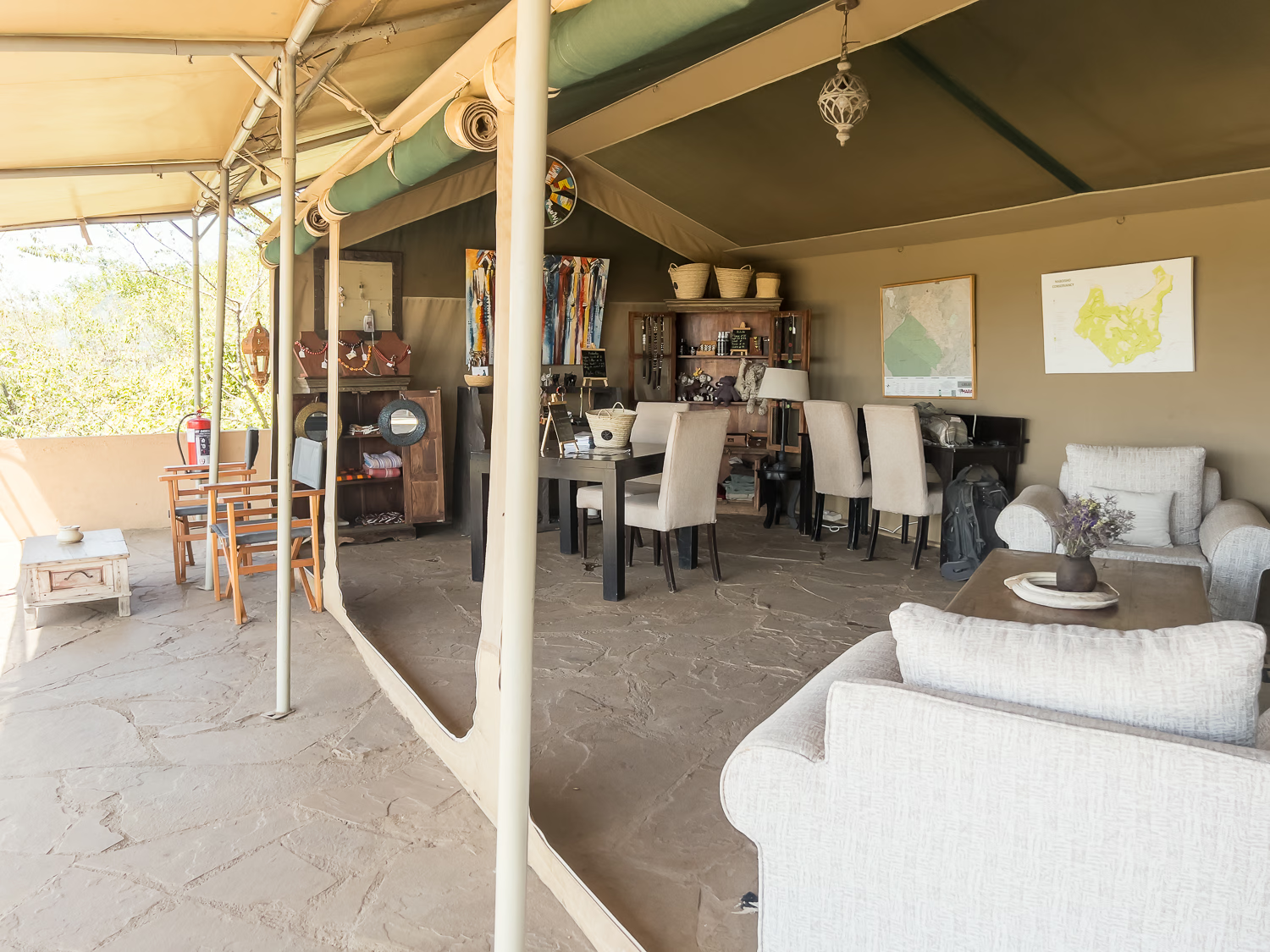
Our first lodge was located in the Olare Motorogi Conservancy. Upon arrival, we were warmly welcomed by Eva, the deputy manager, who gave us a detailed introduction.
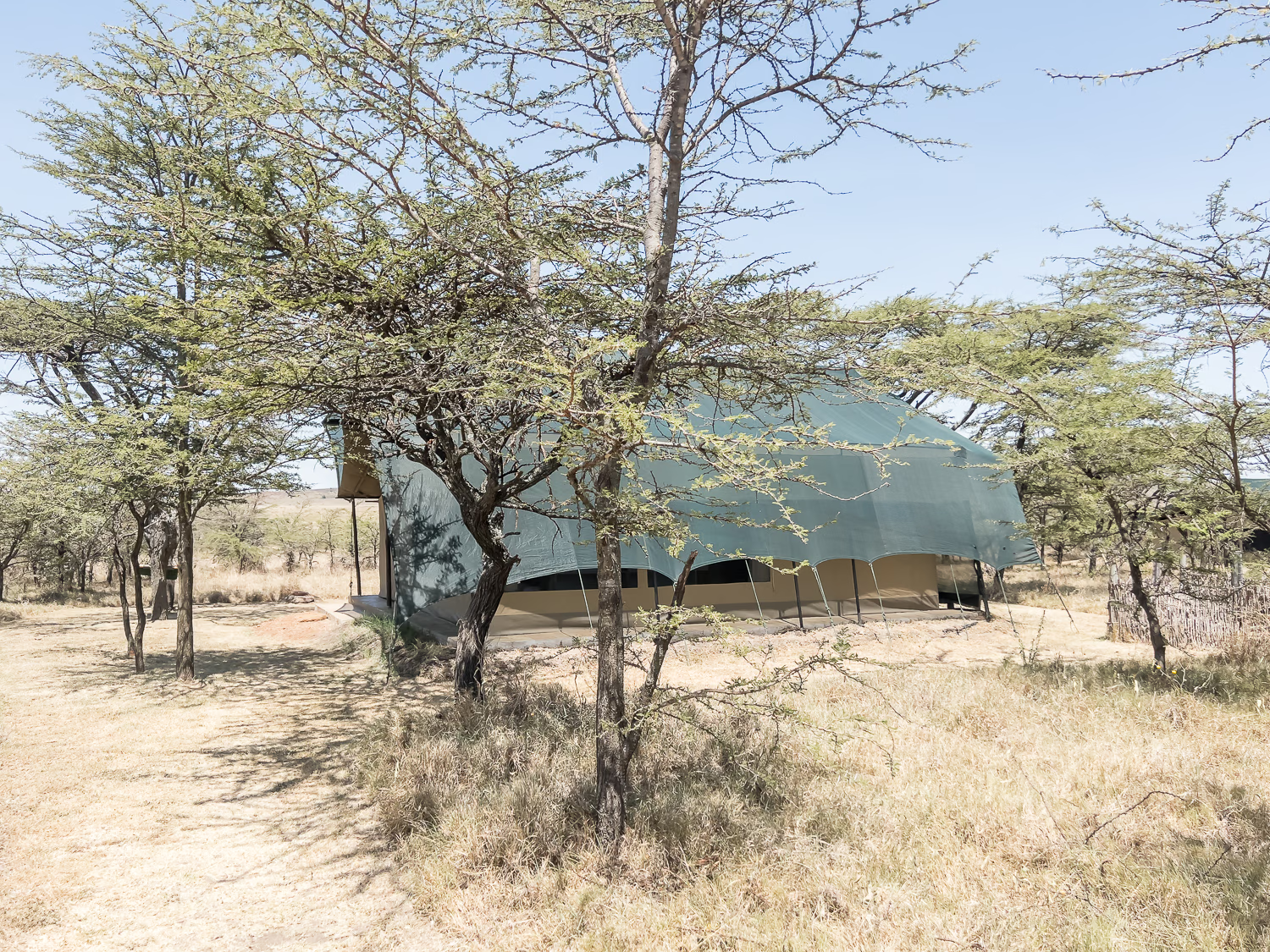
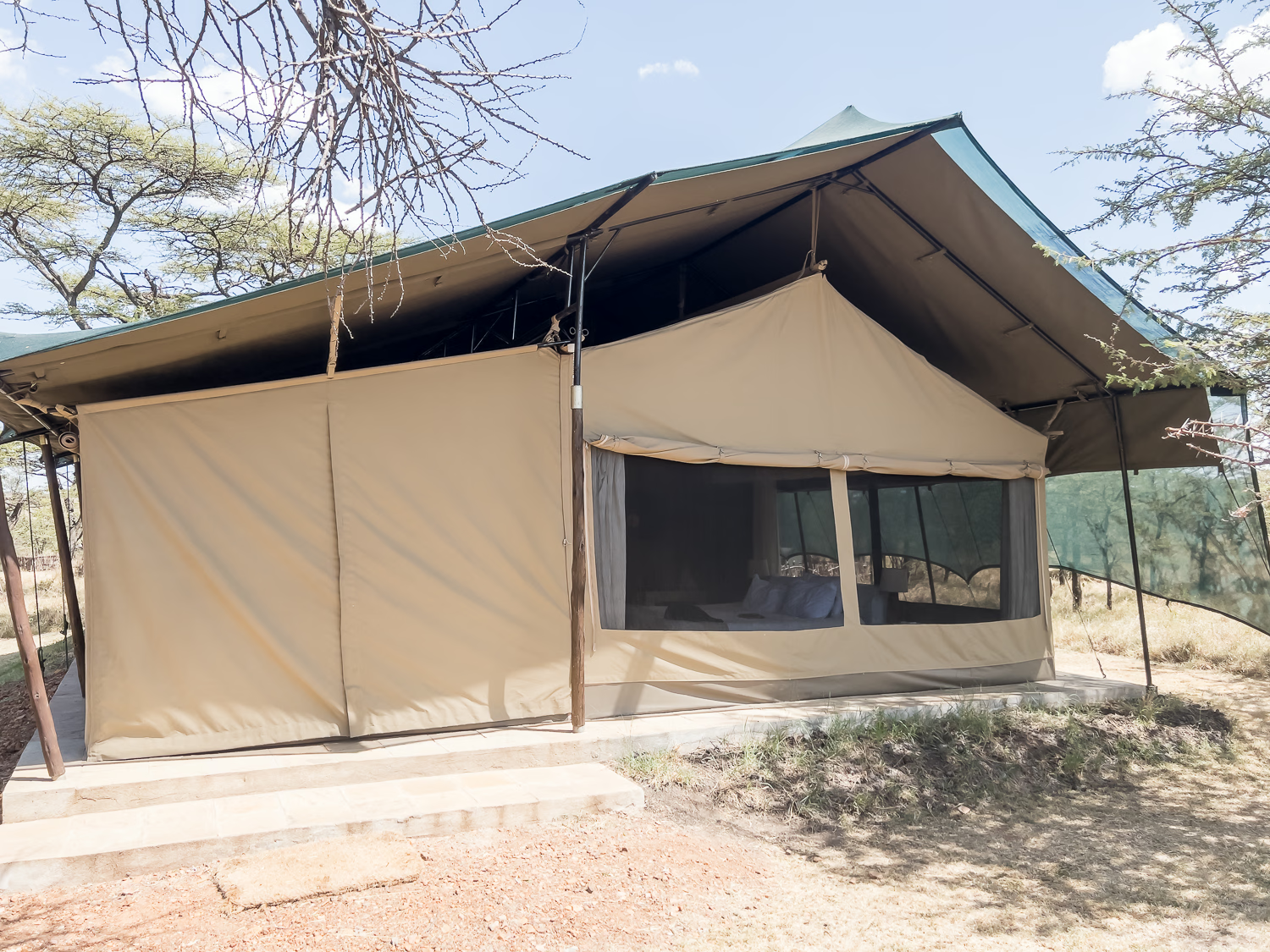
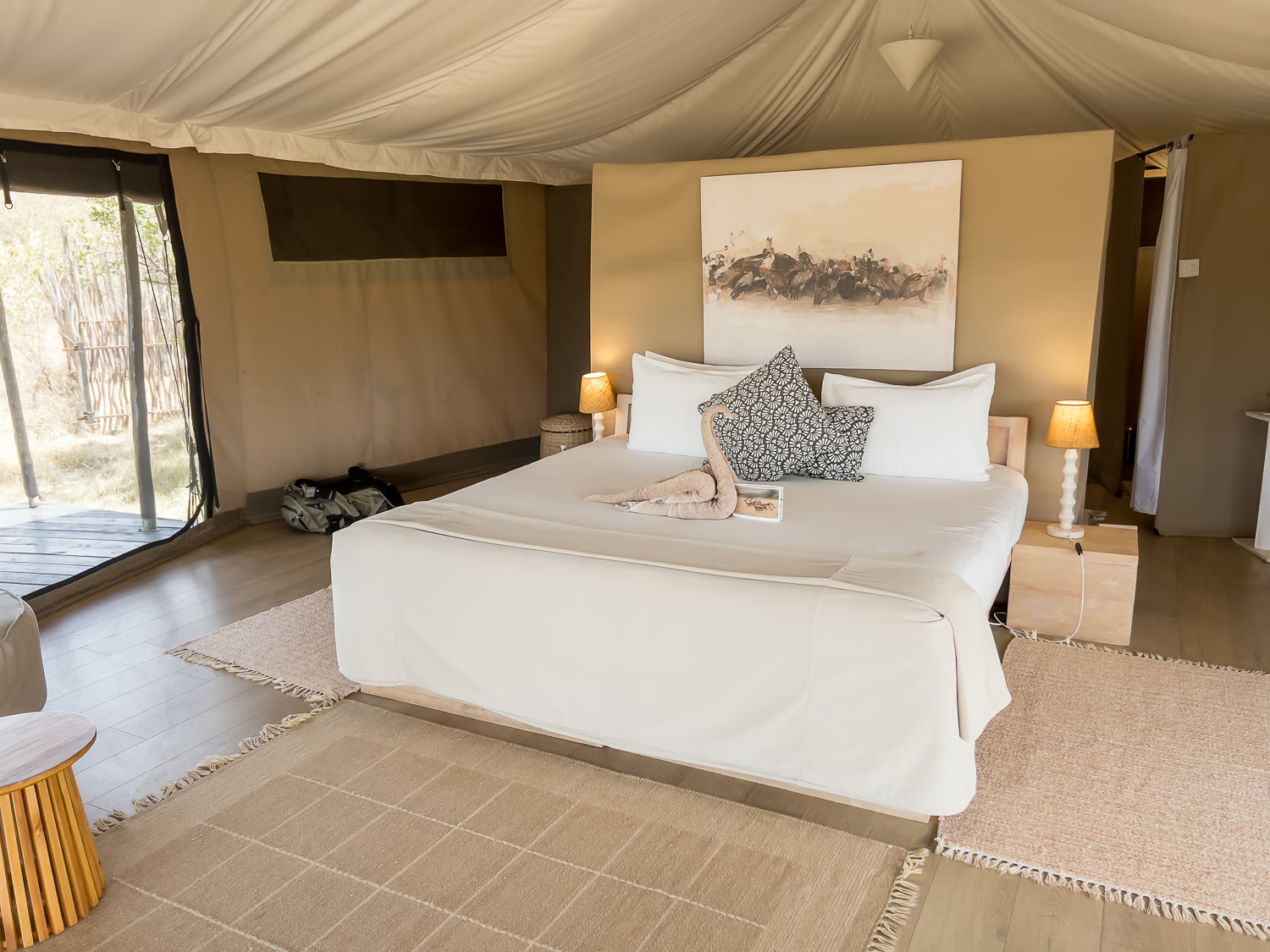
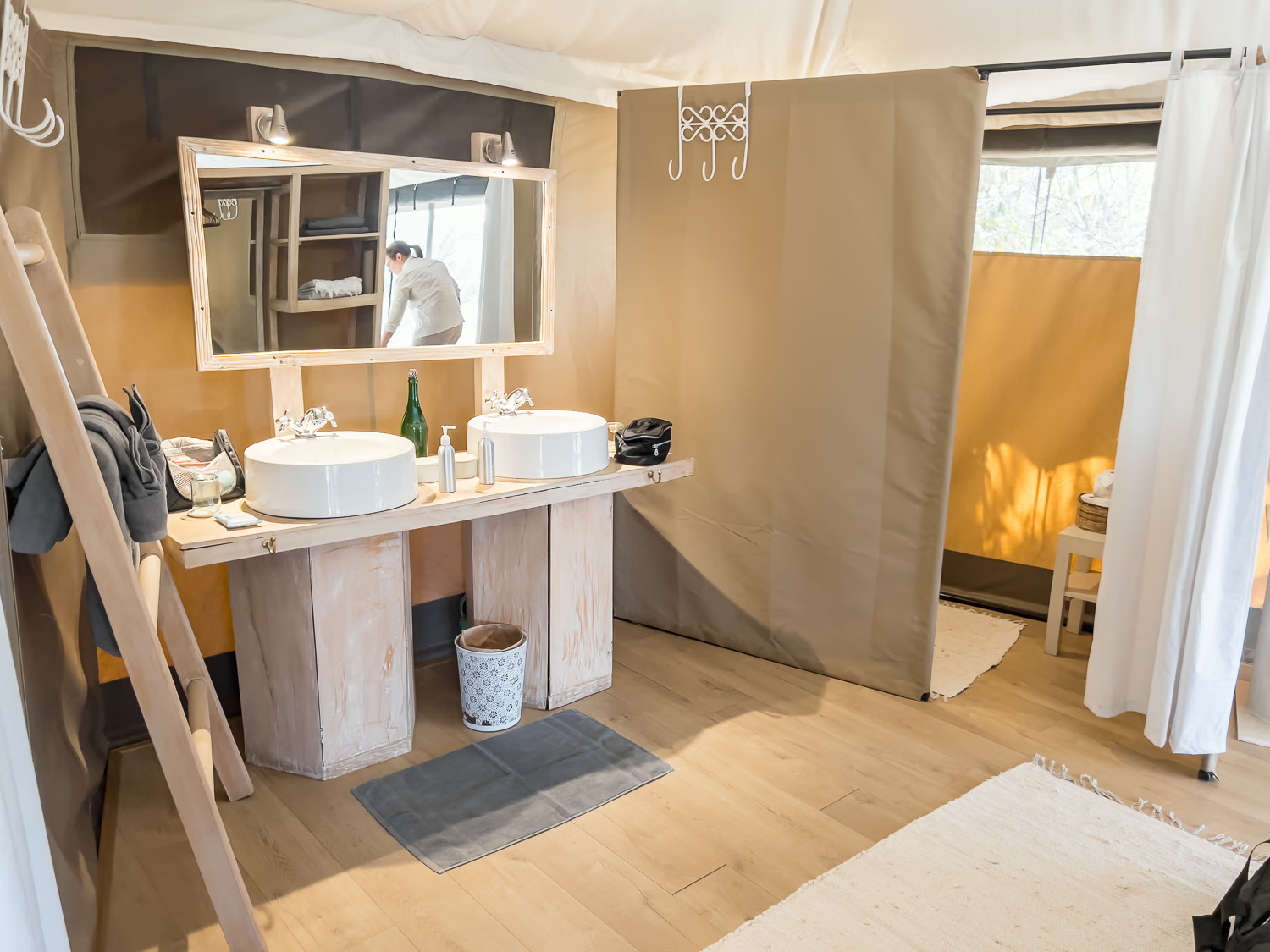
Then we were shown to our “tent.” Calling it a tent hardly does it justice—this was luxury accommodation, far beyond what we had expected. Later, another guest mentioned this was considered a “basic” lodge. If that’s basic, we’re more than happy with “basic”.
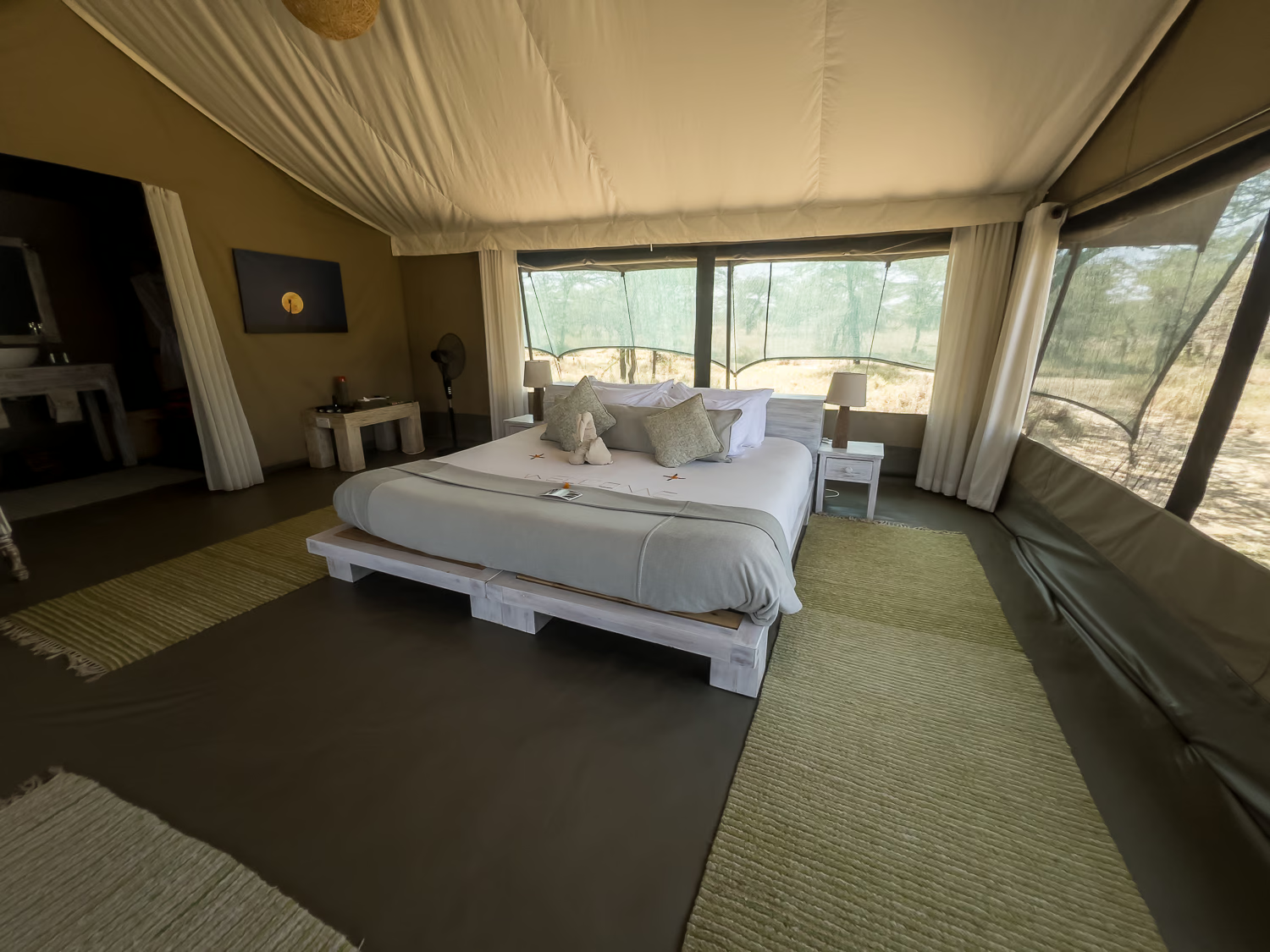
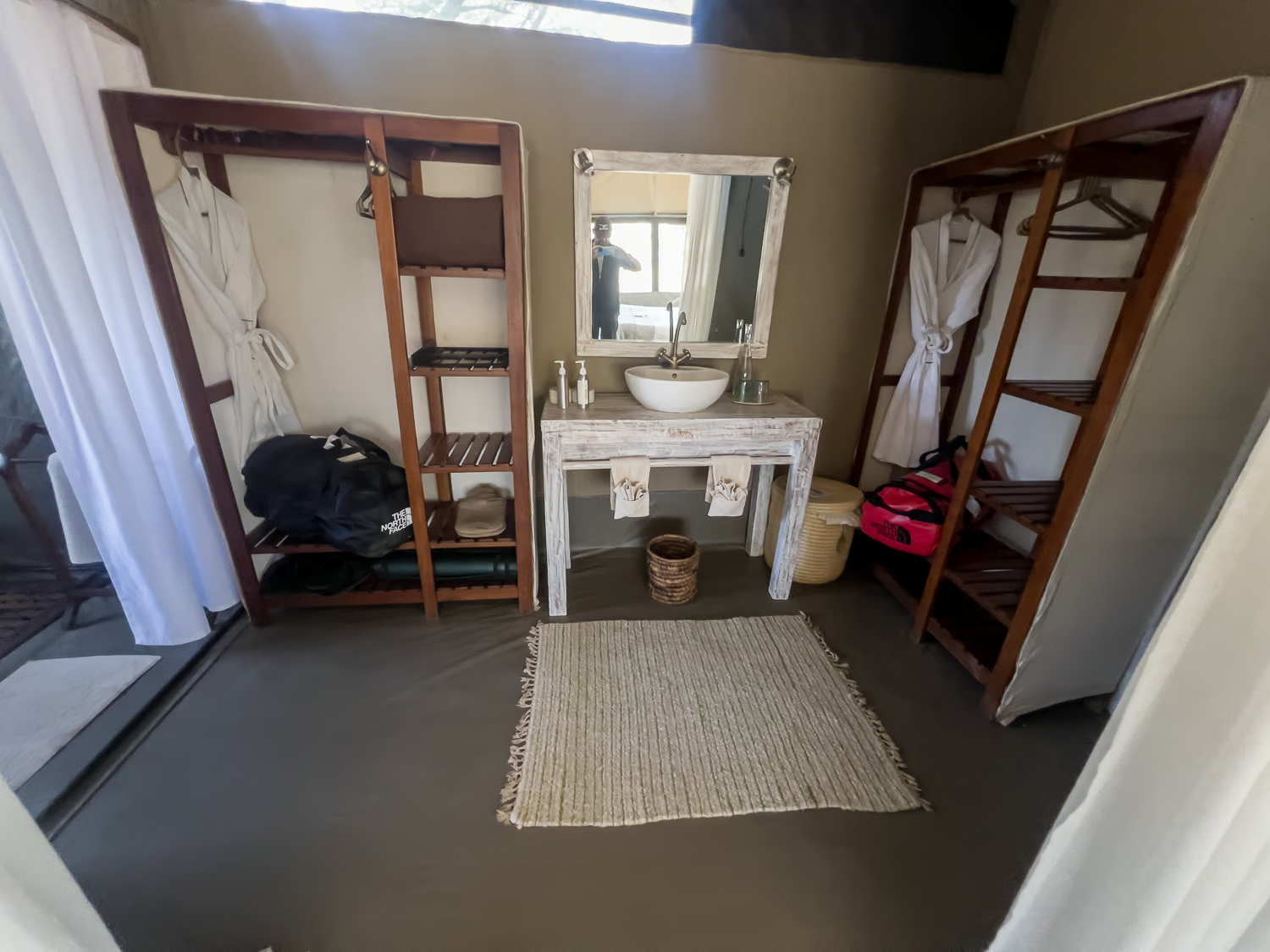
We stayed here for three nights, following a rhythm that quickly became familiar:
- 05:45 – Morning game drive
- Breakfast in the bush
- 10:30–11:00 – Return to the lodge
- Backup images, shower, short rest
- 13:00 – Lunch, always served outdoors
- Image review and editing with Thomas
- 15:45 – Evening game drive
- Sundowner in the bush
- 20:00 – Three-course dinner
The food was outstanding. One highlight? Freshly baked pizzas—among the best we’ve ever had, in the middle of the African bush.
But what truly made the experience exceptional was the staff. Their warmth, friendliness, and genuine passion were something we rarely experience anymore in Europe.
Naboisho Conservancy – Different Place, Same Magic
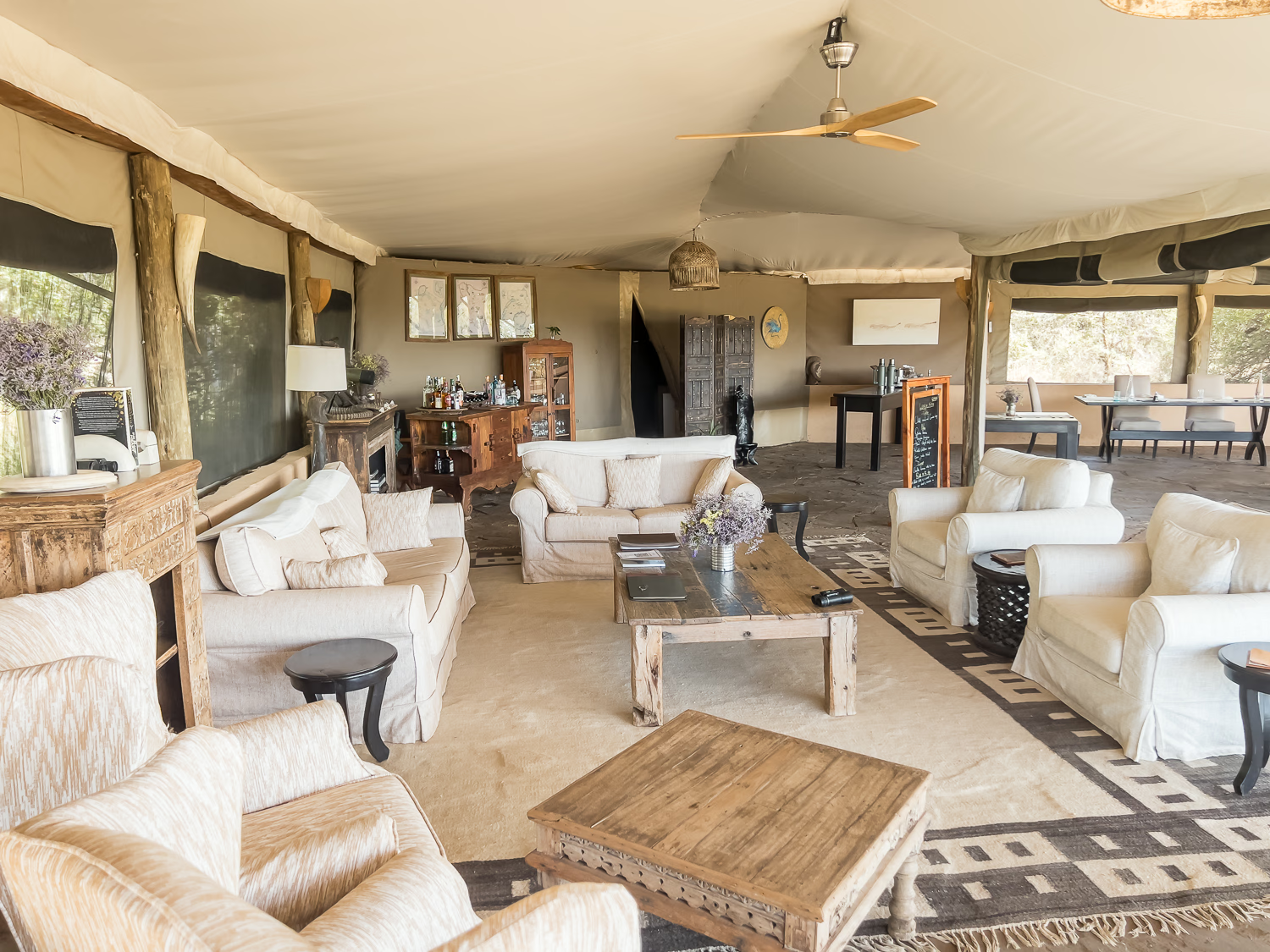
Our second lodge was located in the Naboisho Conservancy. Slightly more luxurious tents, a beautiful lounge area, and once again an incredible team. The daily routine was similar, with slightly earlier morning starts.
The Perfect Photography Setup
The lodges were wonderful—but wildlife photography was the reason we were here.
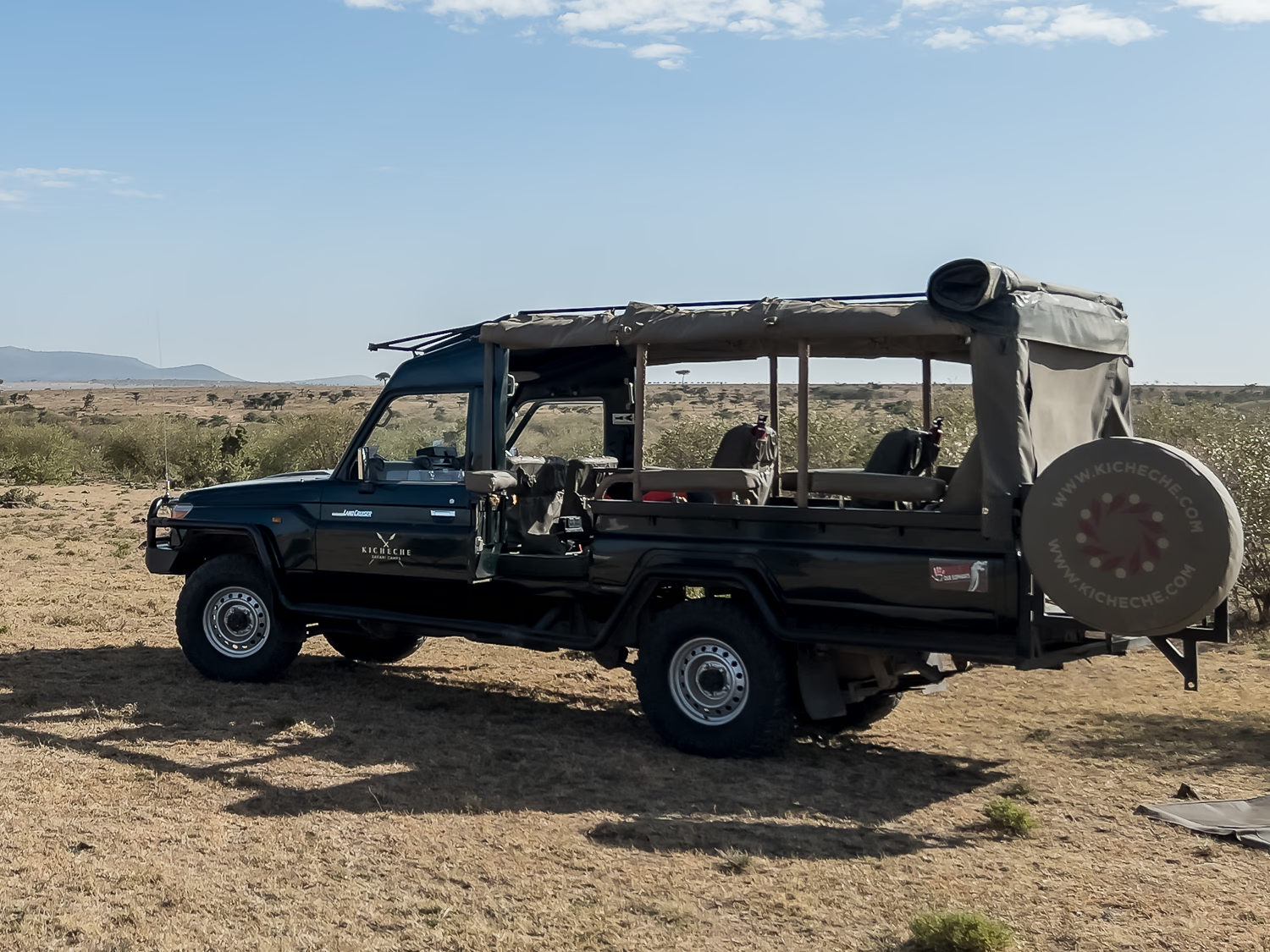
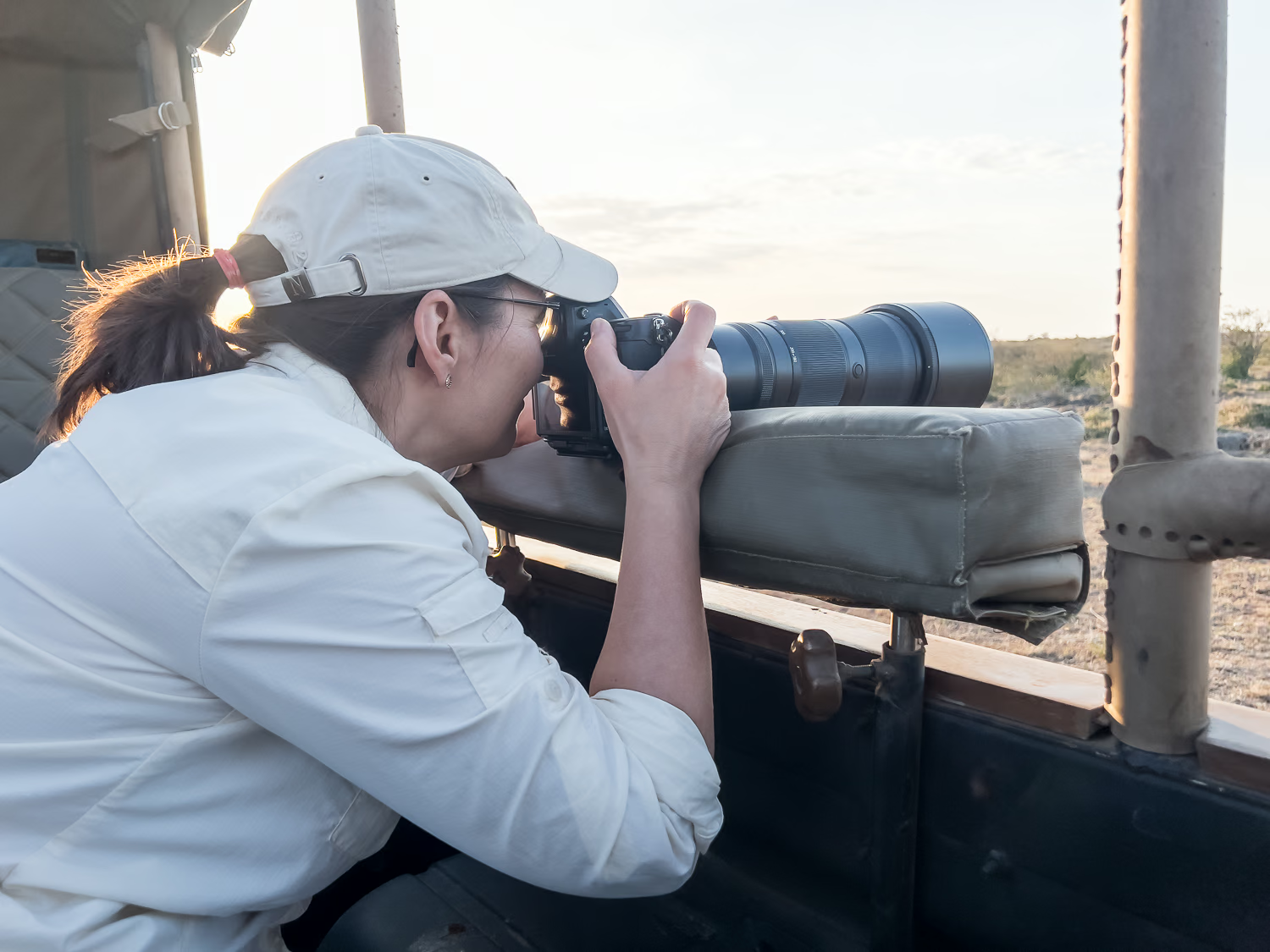
Our Land Cruiser was perfectly configured for photographers. The seats on one side in the first two rows had been removed, giving us ample space for gear and movement and allowed shooting in a low angle to the animals. The open roof with a metal frame allowed us to shoot standing up if required, and bean bags were always ready.
But the true stars were our guides: James in Olare Motorogi and Bernard in Naboisho. Two very different personalities, but both exceptional photography guides.
They didn’t just know where the animals were – they knew how to position the vehicle for the best light, the best angle, and the strongest composition. Sometimes they would suddenly relocate the car by several hundred meters, only for us to end up perfectly positioned for the next shot.
We’ve never returned from a photography trip with such a high percentage of keeper images.


Unforgettable Wildlife Encounters
- Our very first evening: witnessing a lioness successfully hunting a baby warthog – dramatic, fast, and in very low light. Another lioness hunted down a second baby warthog – a sad day for the little warthog family.
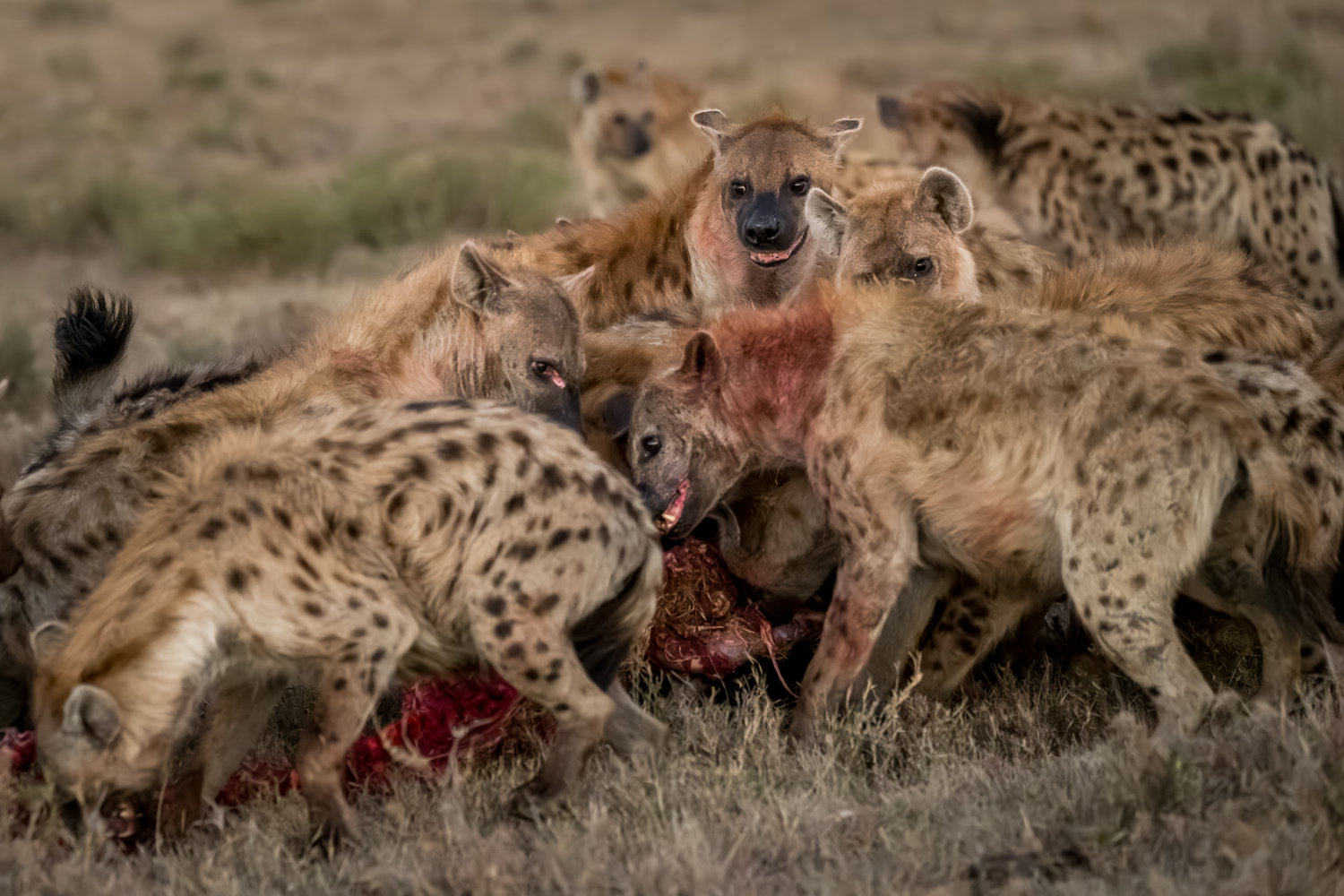
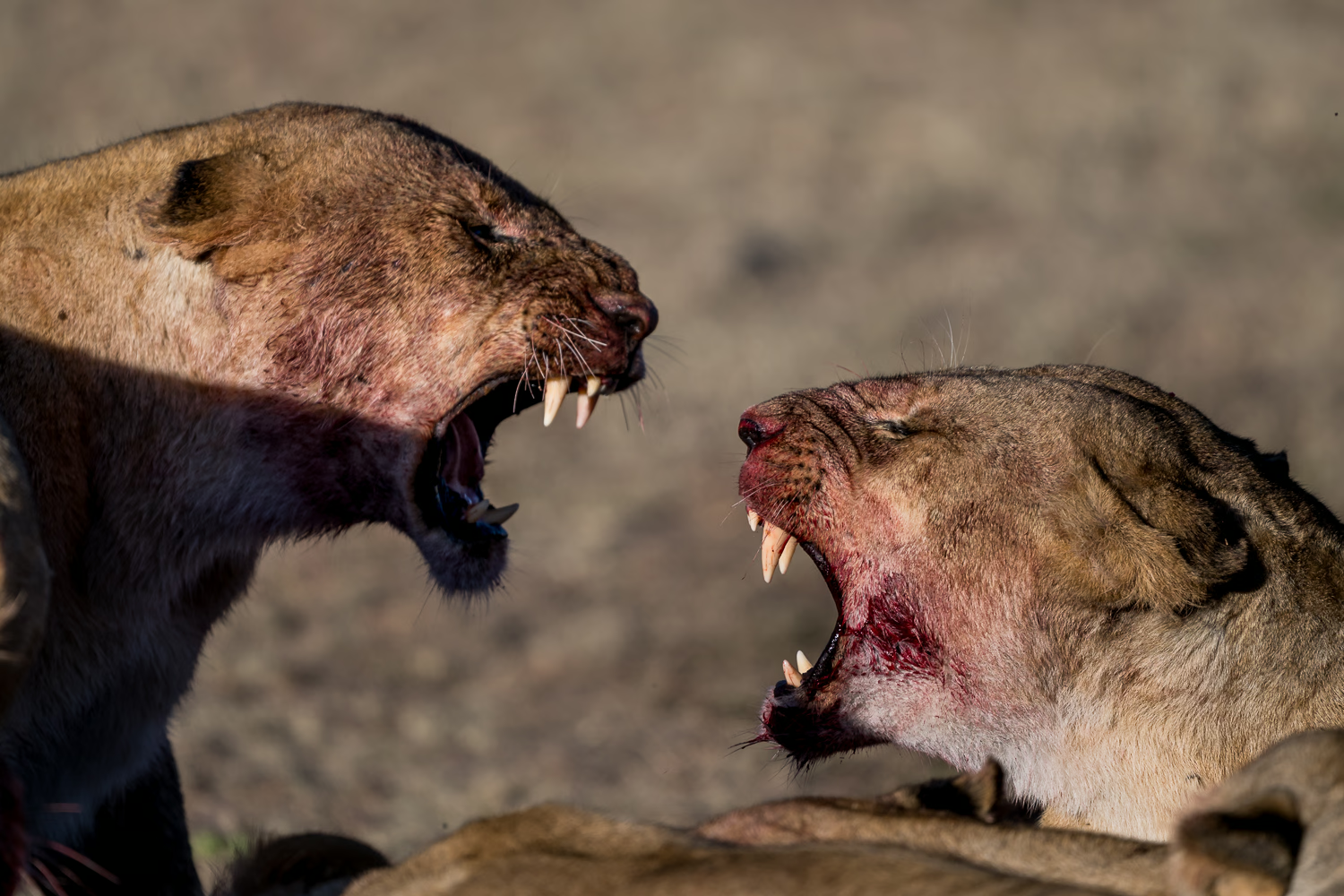
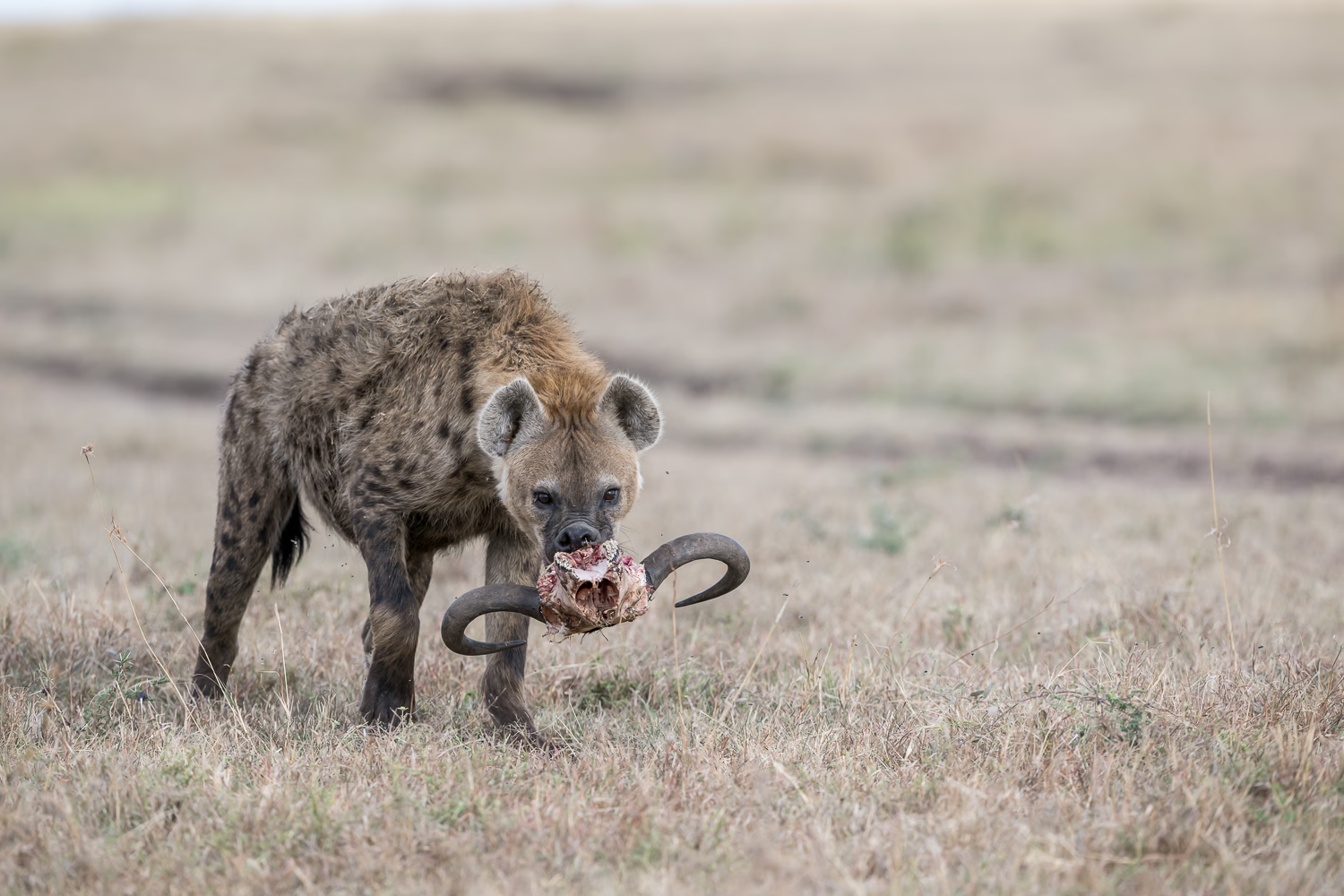
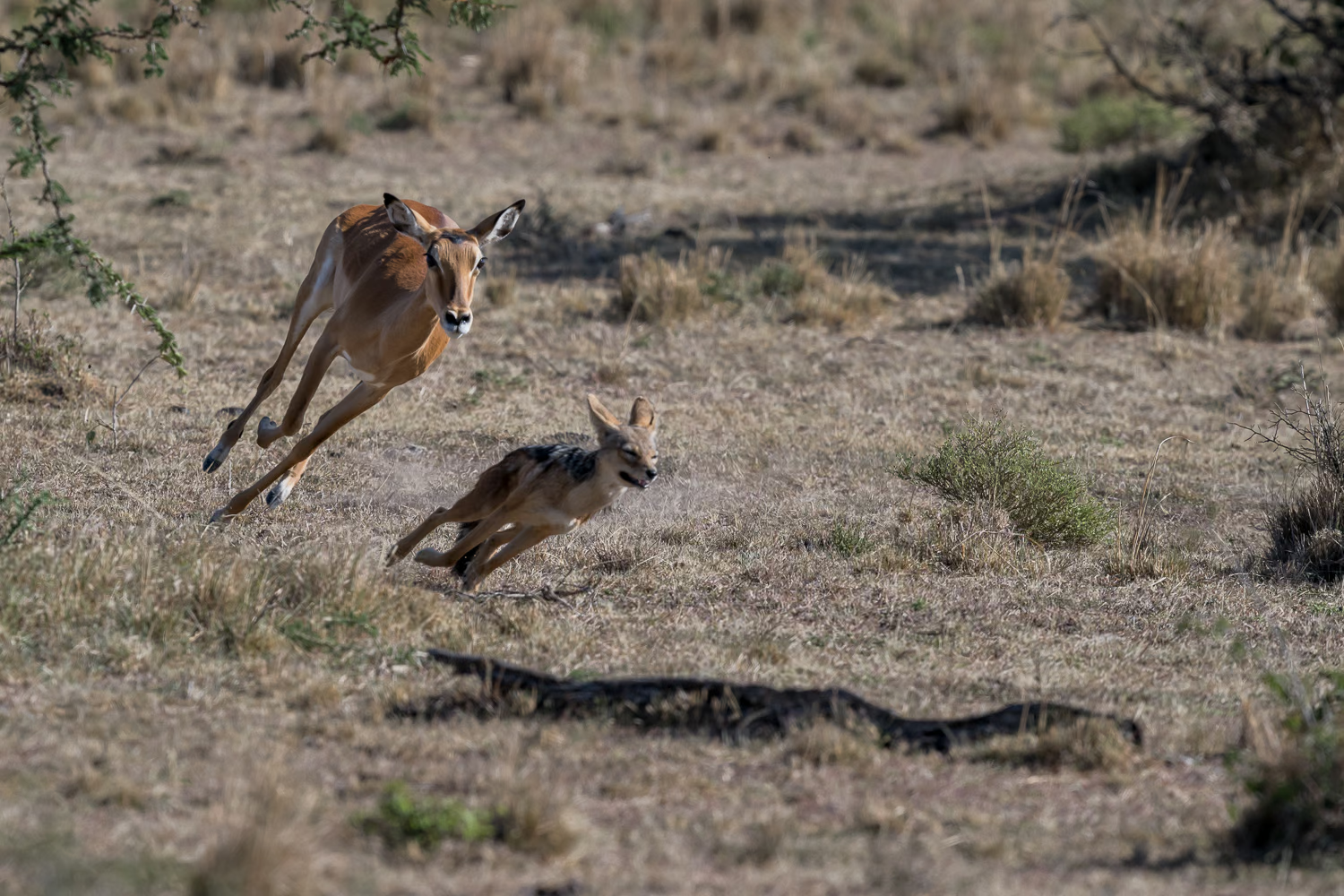
- Five lions feasting on a wildebeest, surrounded by at least 20 hyenas, several jackals, and even a vulture waiting in the distance. When the male lion stepped away, the hyenas moved in like a coordinated unit. The view was amazing, but the noise they made – an unforgettable spectacle.
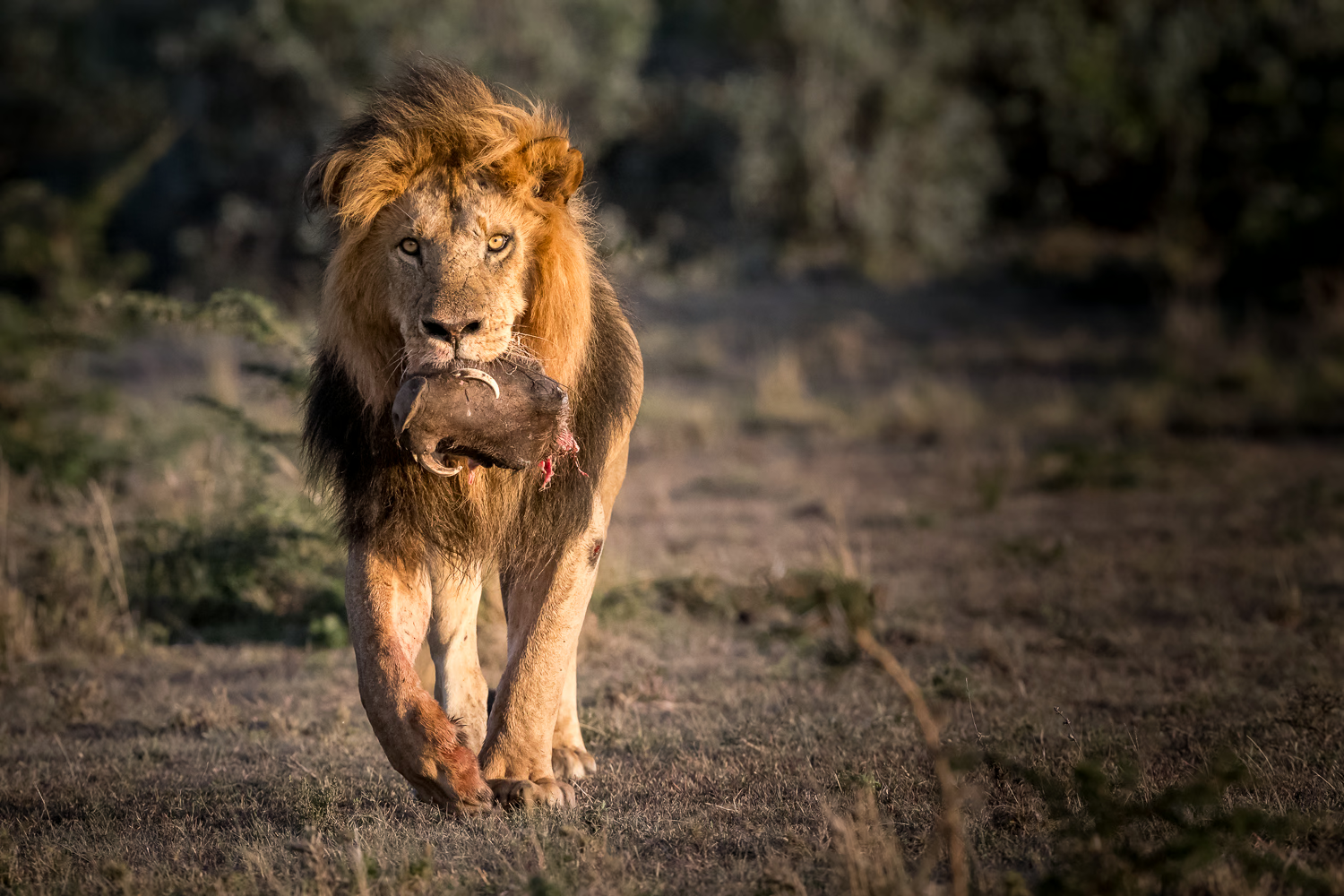
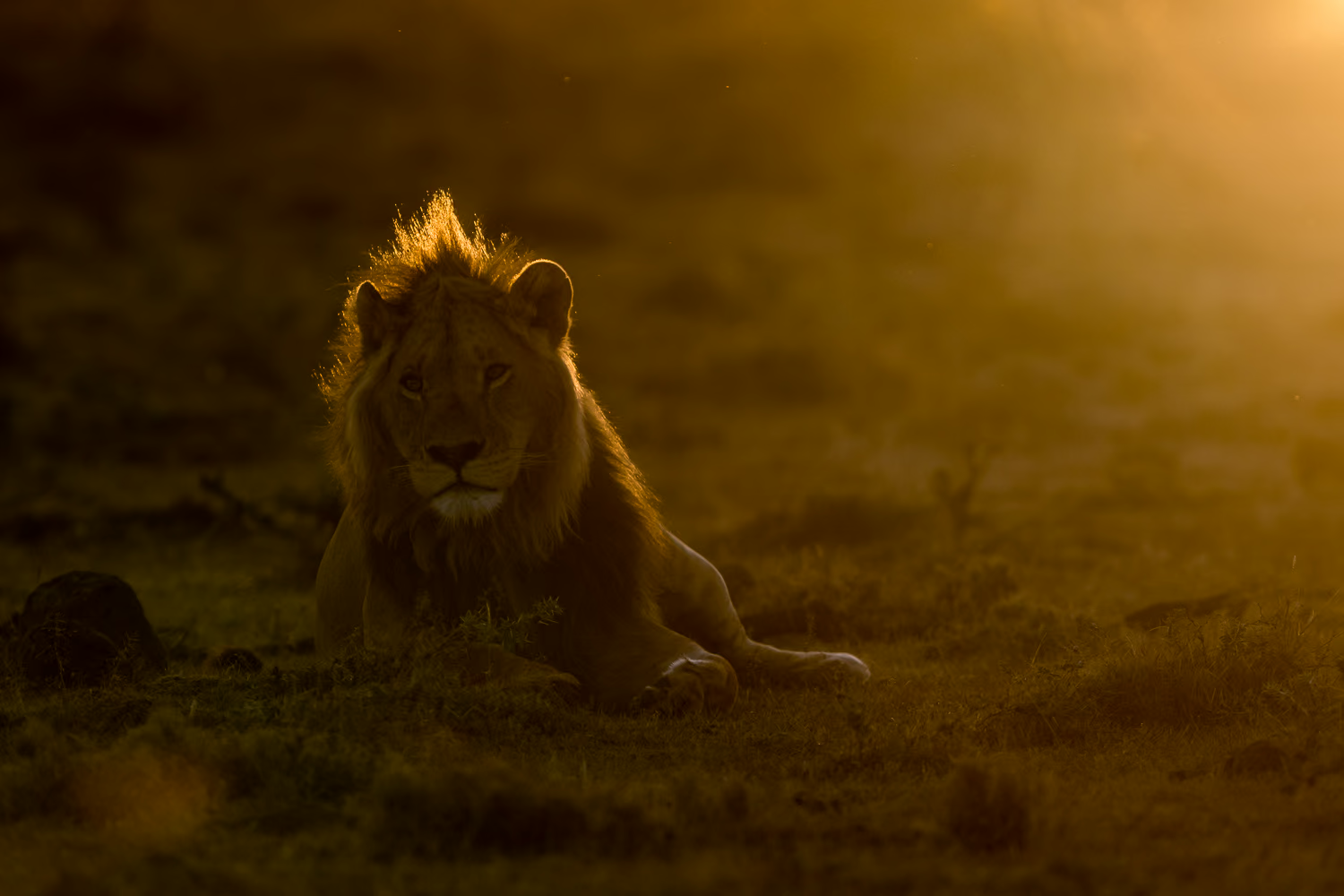
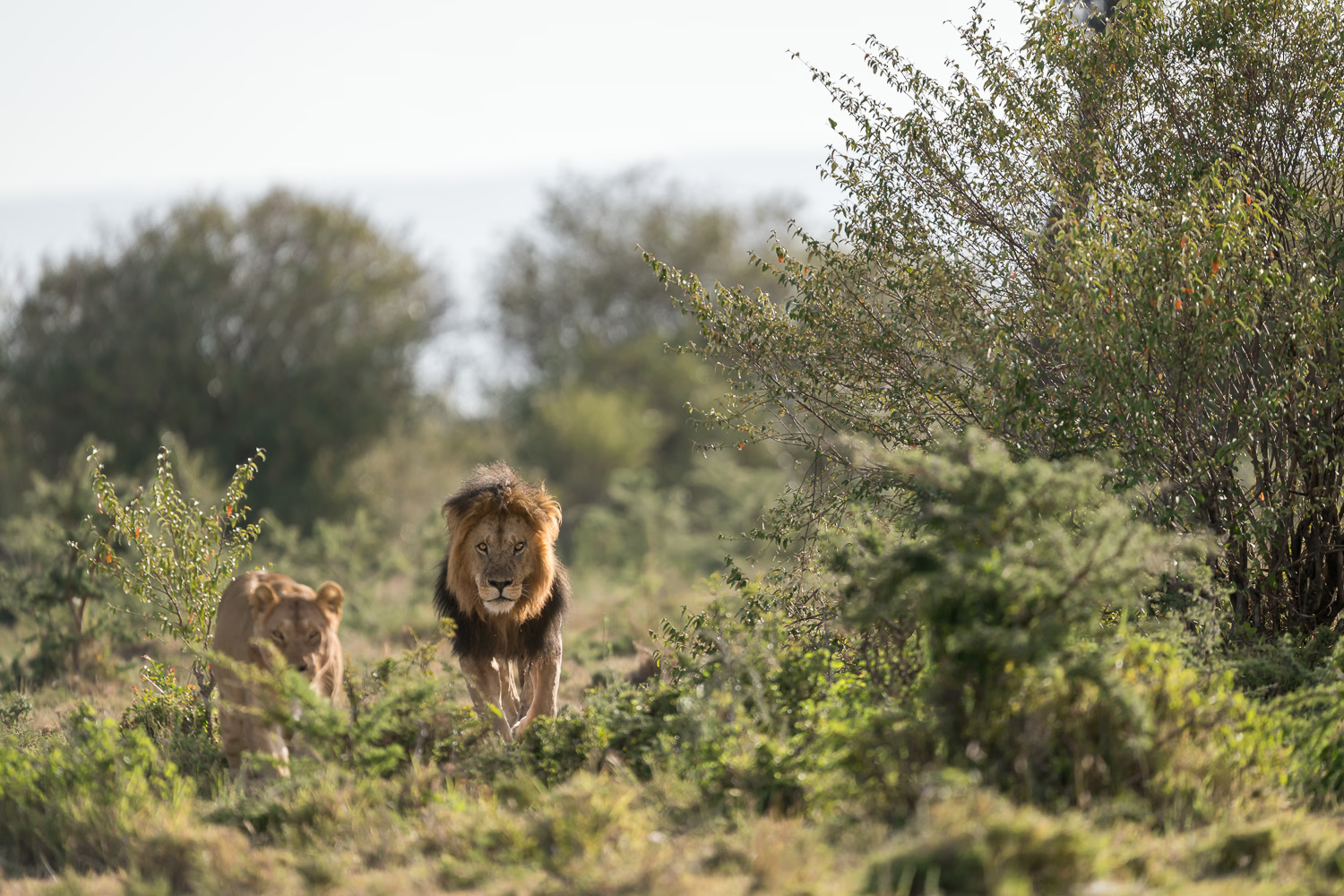
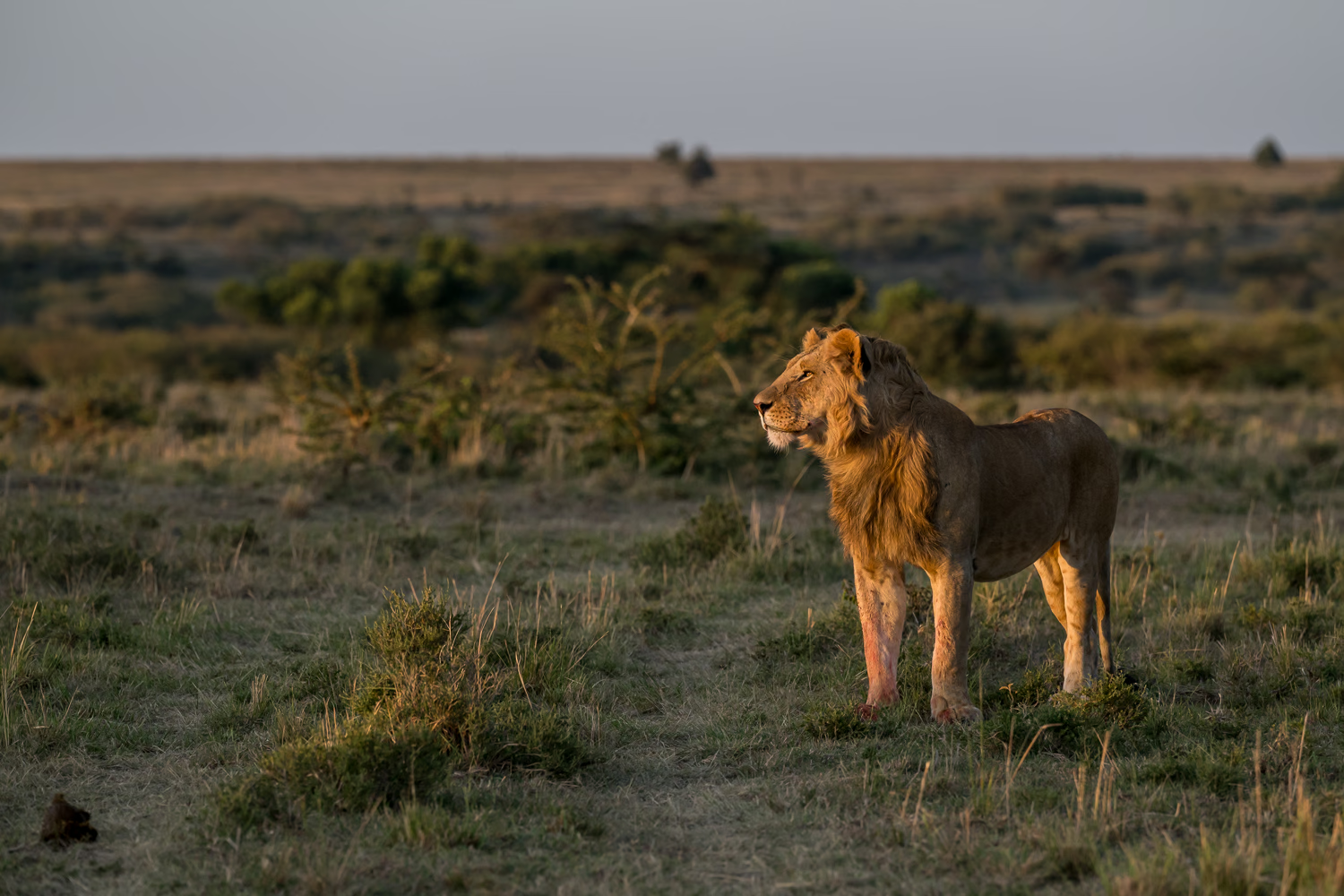
- Meeting Osupaat, the dominant male lion of Olare Motorogi, together with his pride. Majestic in the morning light, yet brutally effective—just the day before, he and his sons had killed another male lion.
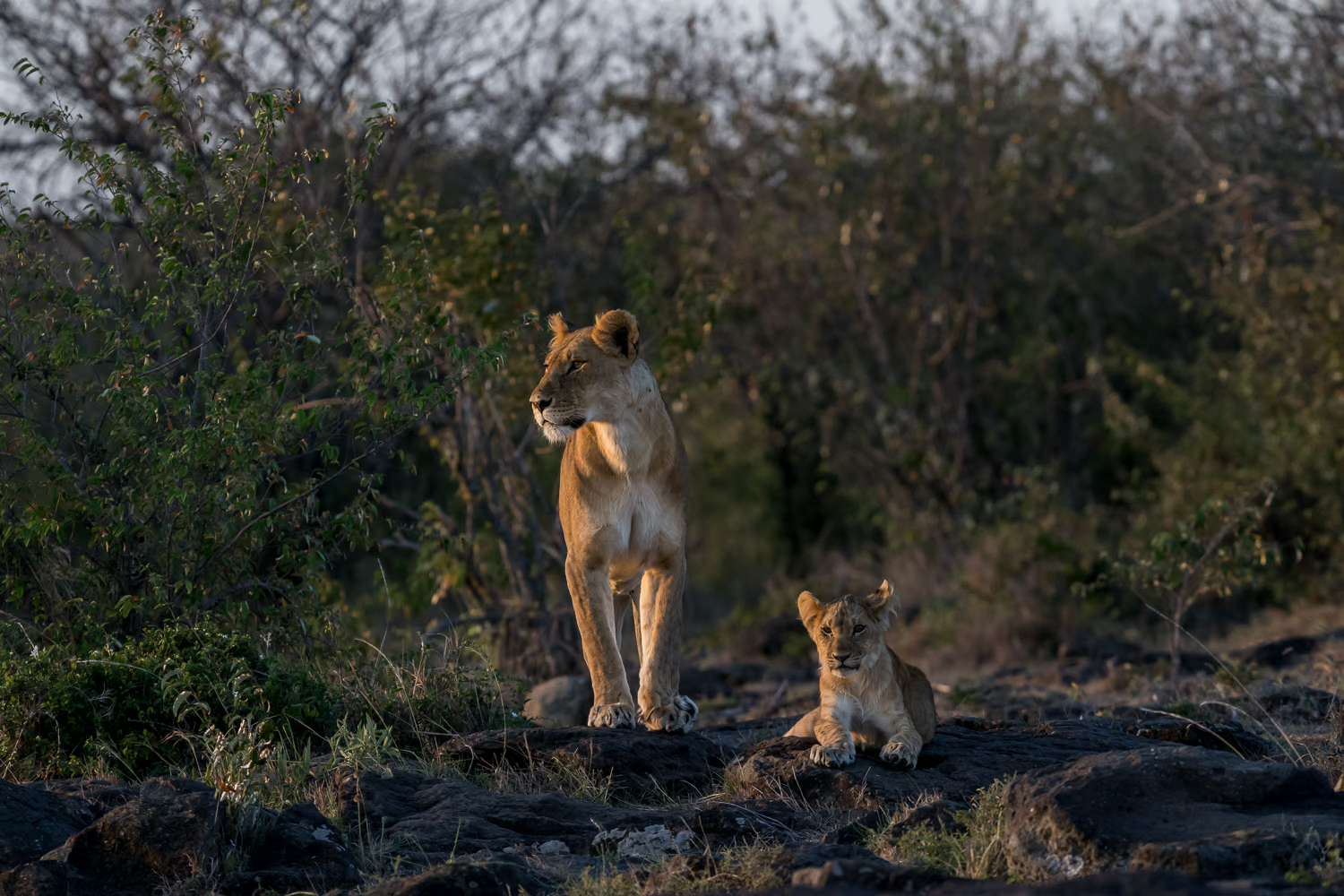
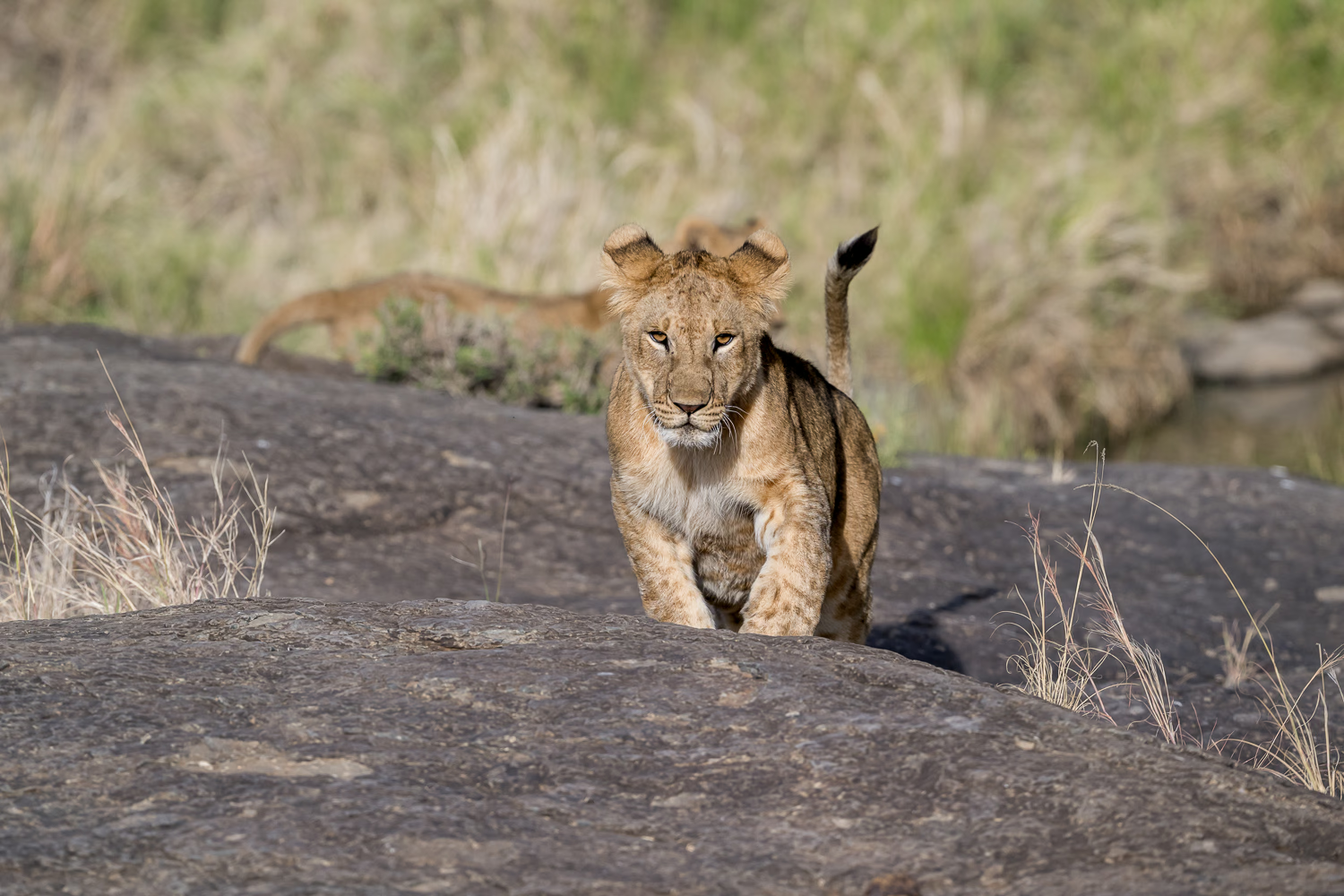
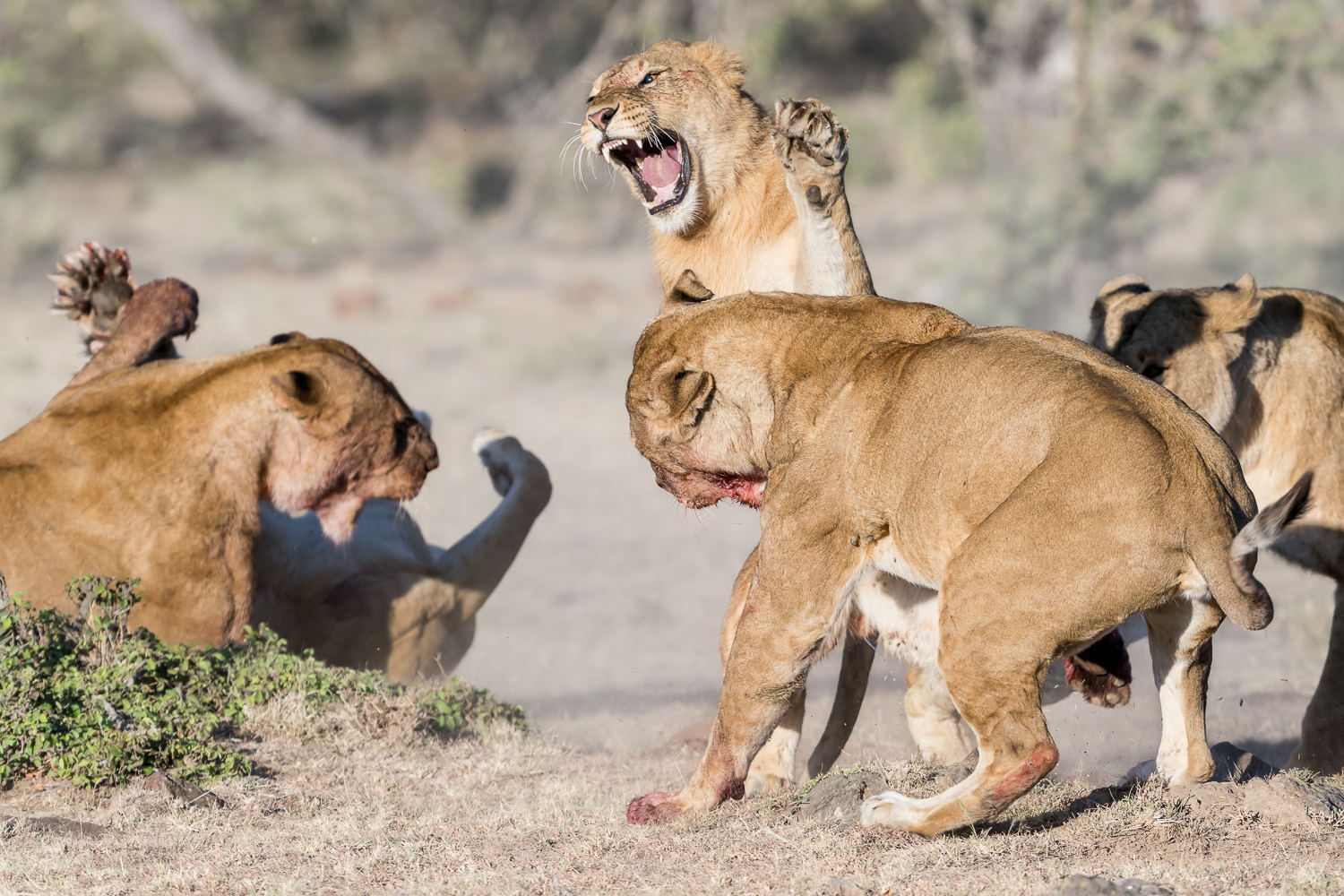
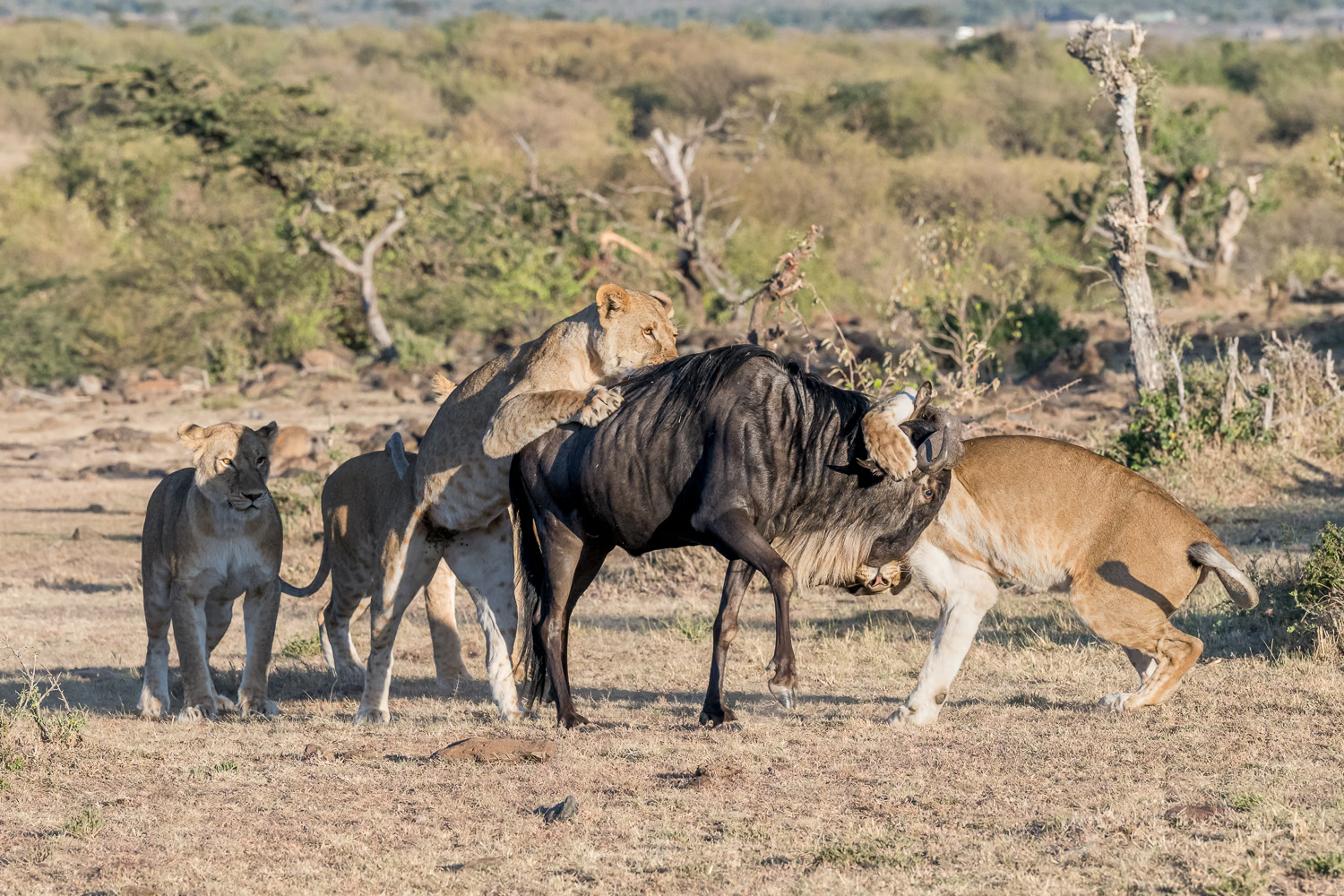
- The final morning: Bernard sensed something was about to happen. A coordinated lion hunt unfolded before our eyes. A lioness burst from the bushes and brought down a full-grown wildebeest just meters from our vehicle. Over 35 lions gathered at the scene, from tiny cubs to the dominant males. What followed was intense, raw, and unforgettable.
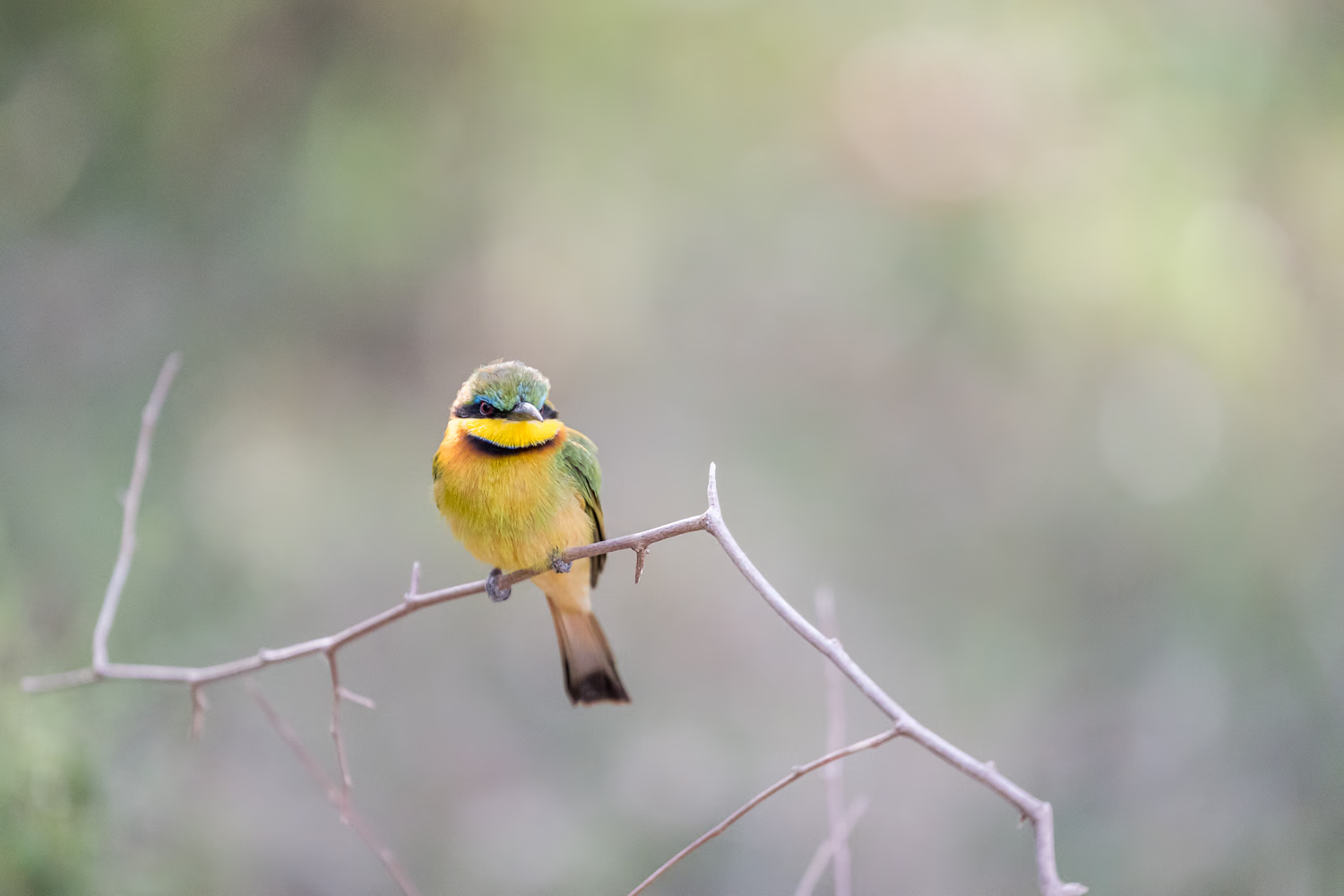
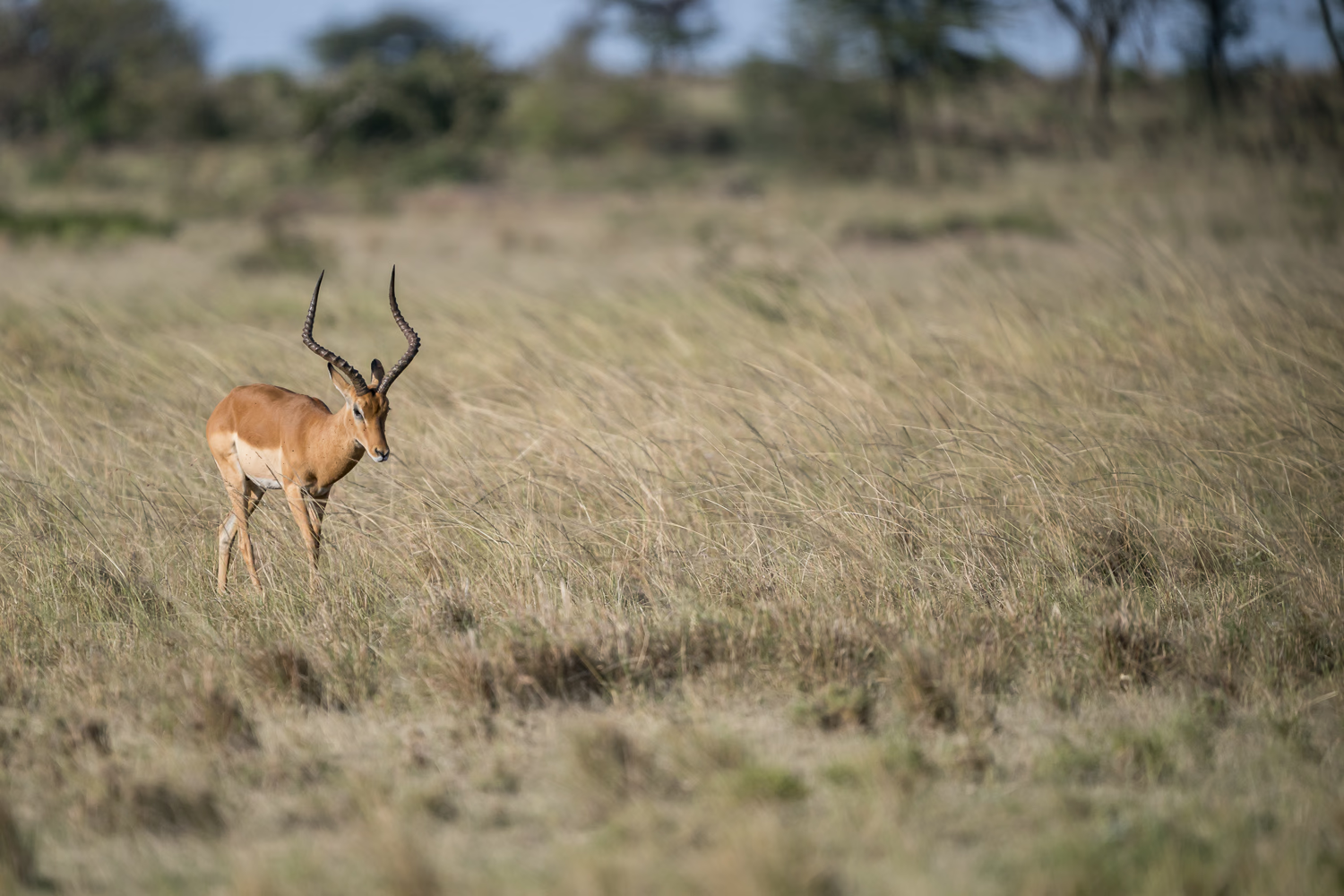
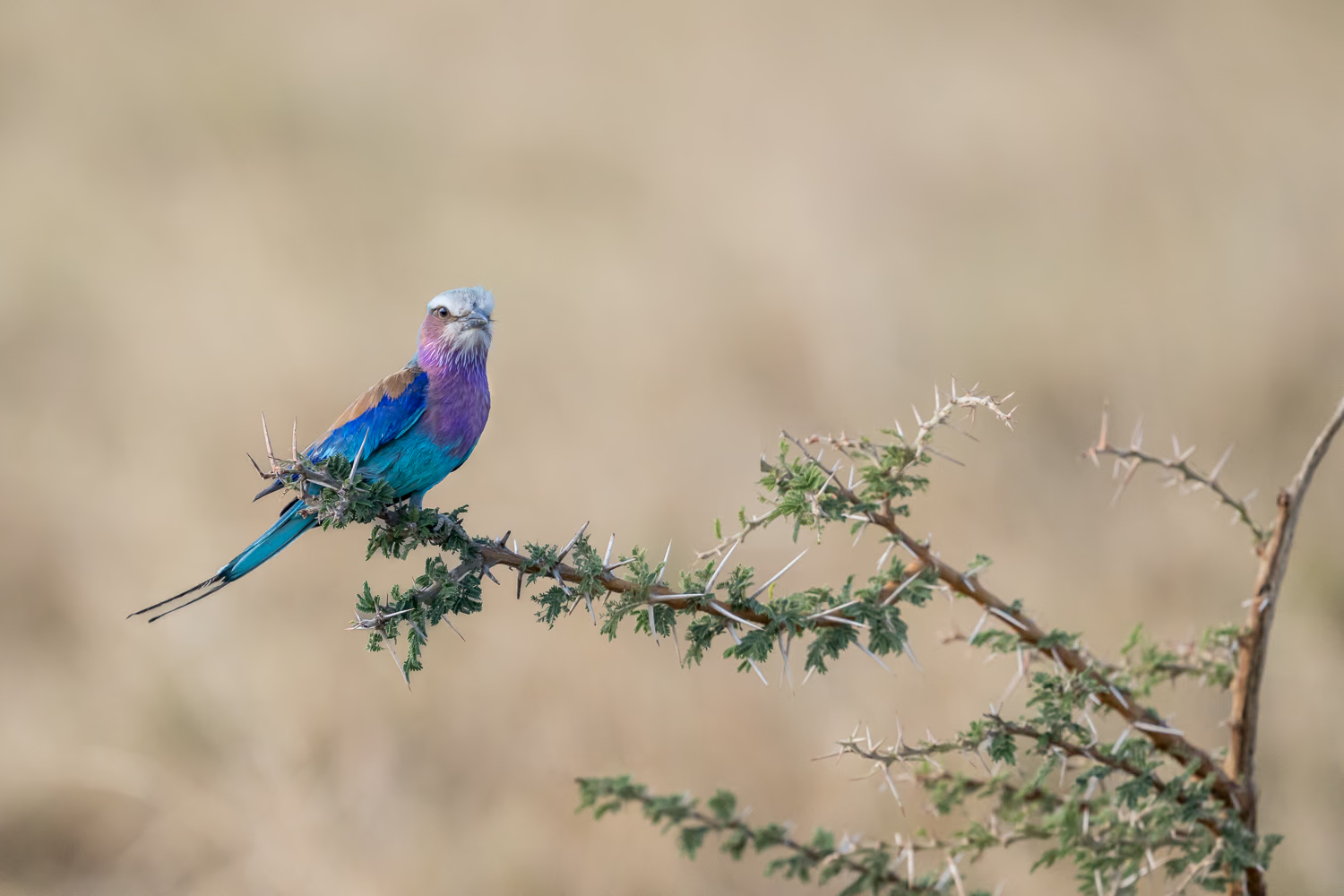
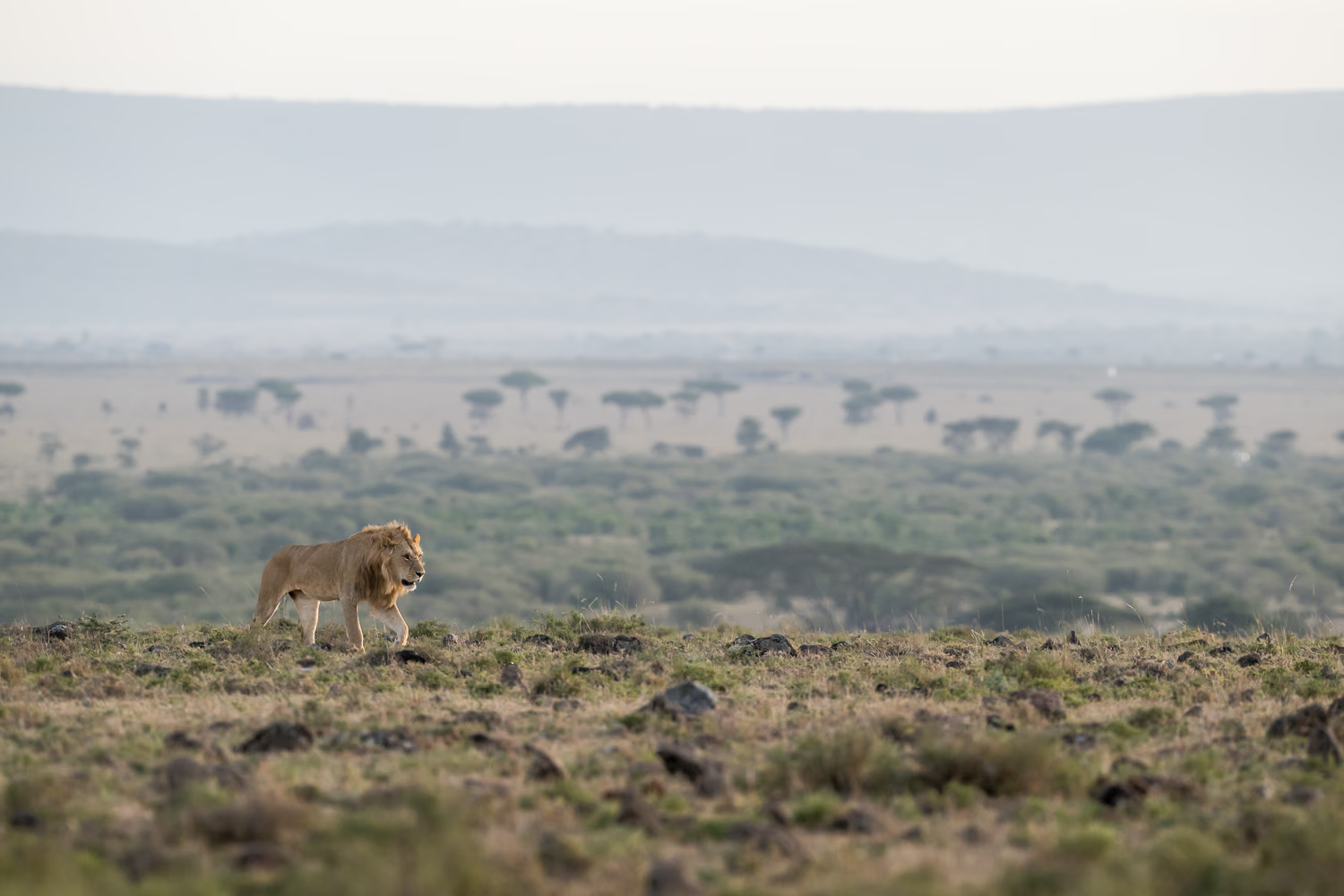
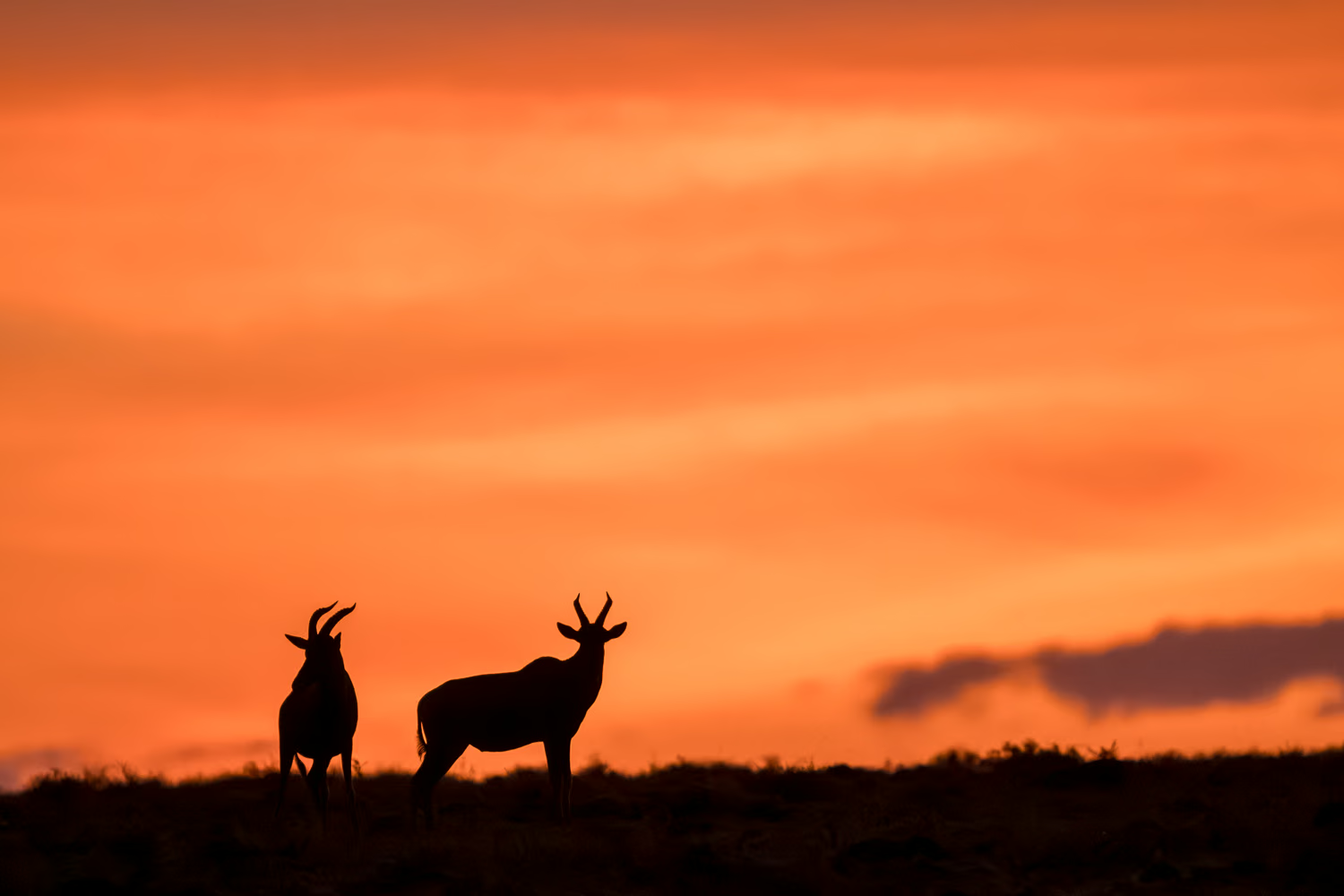
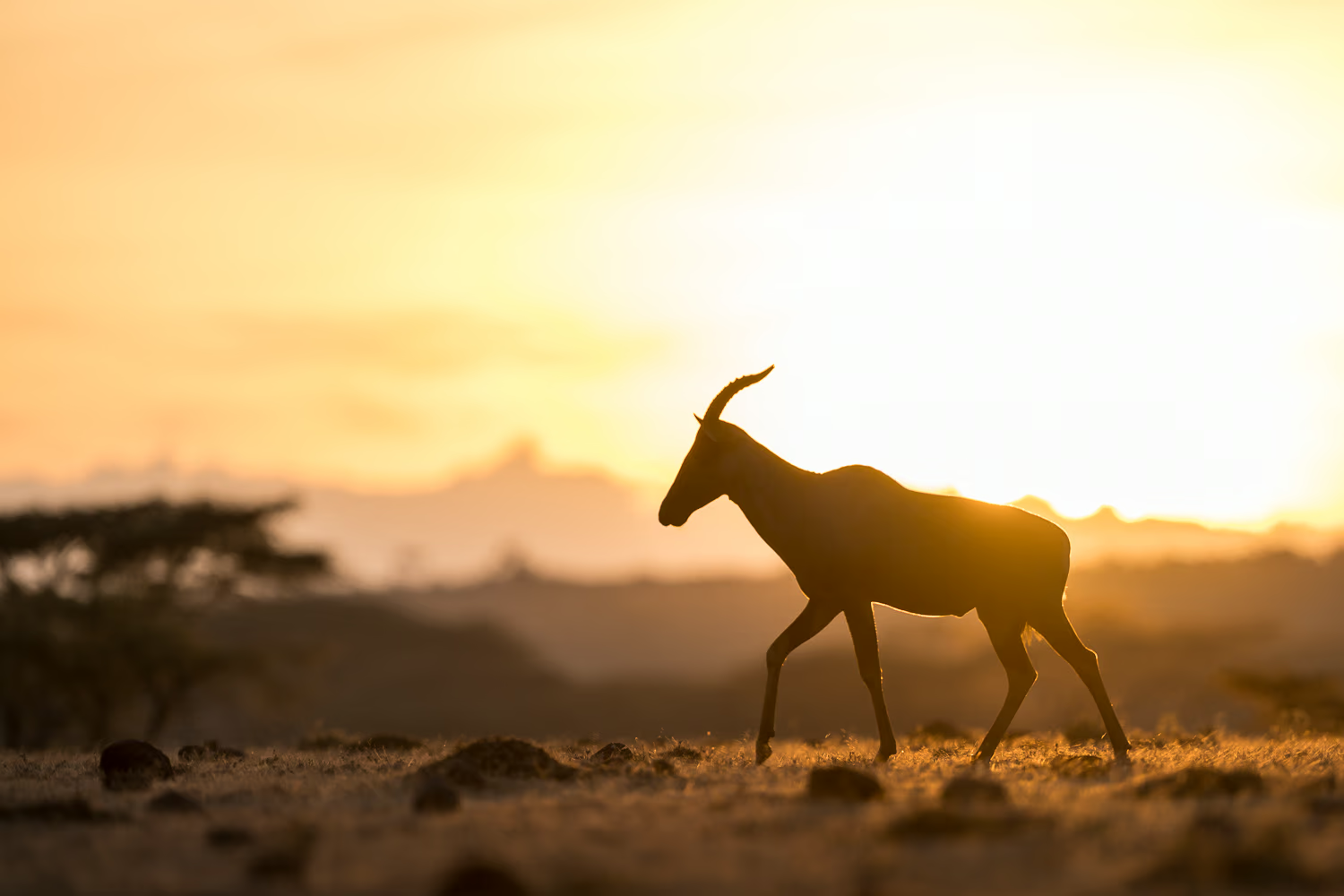
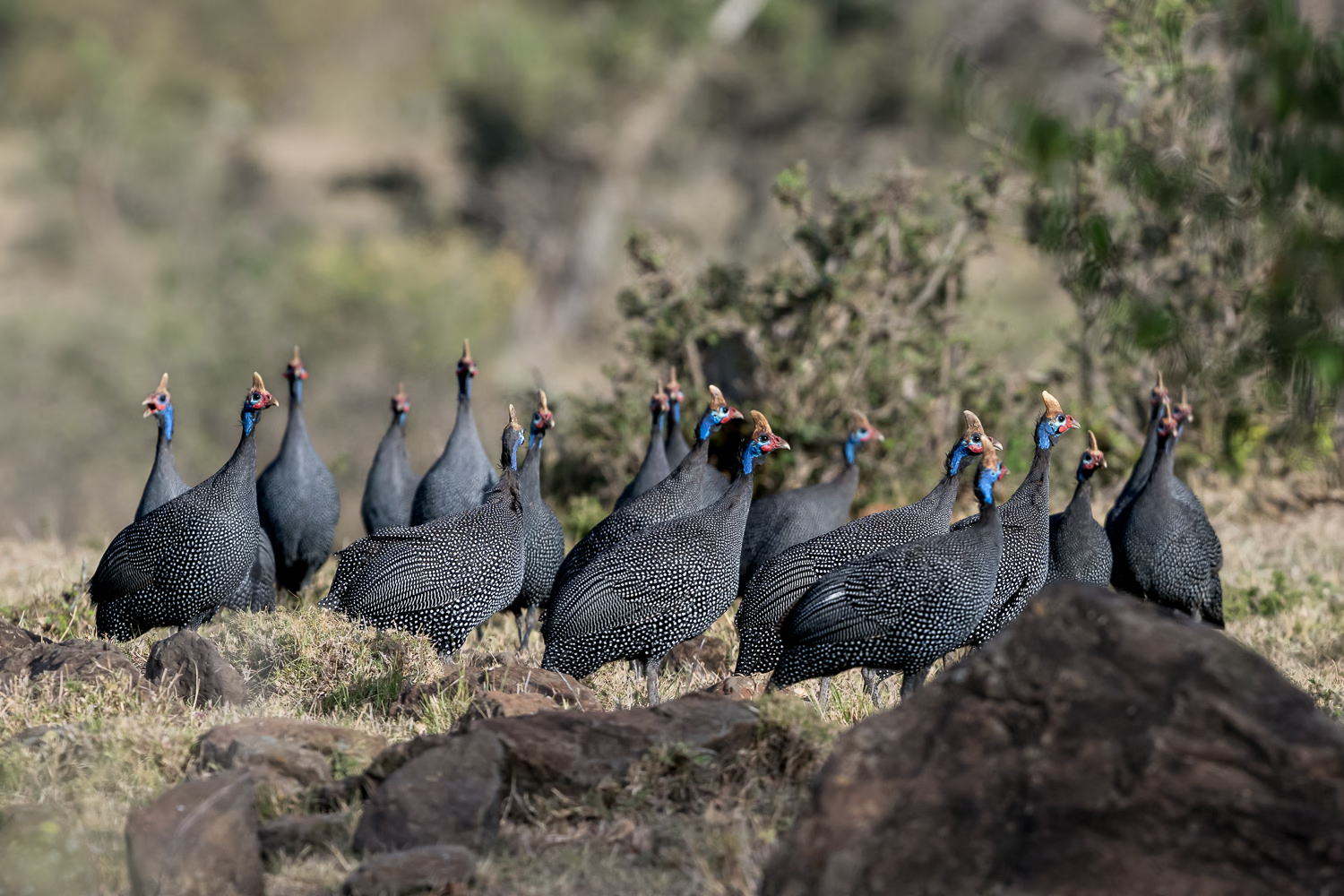
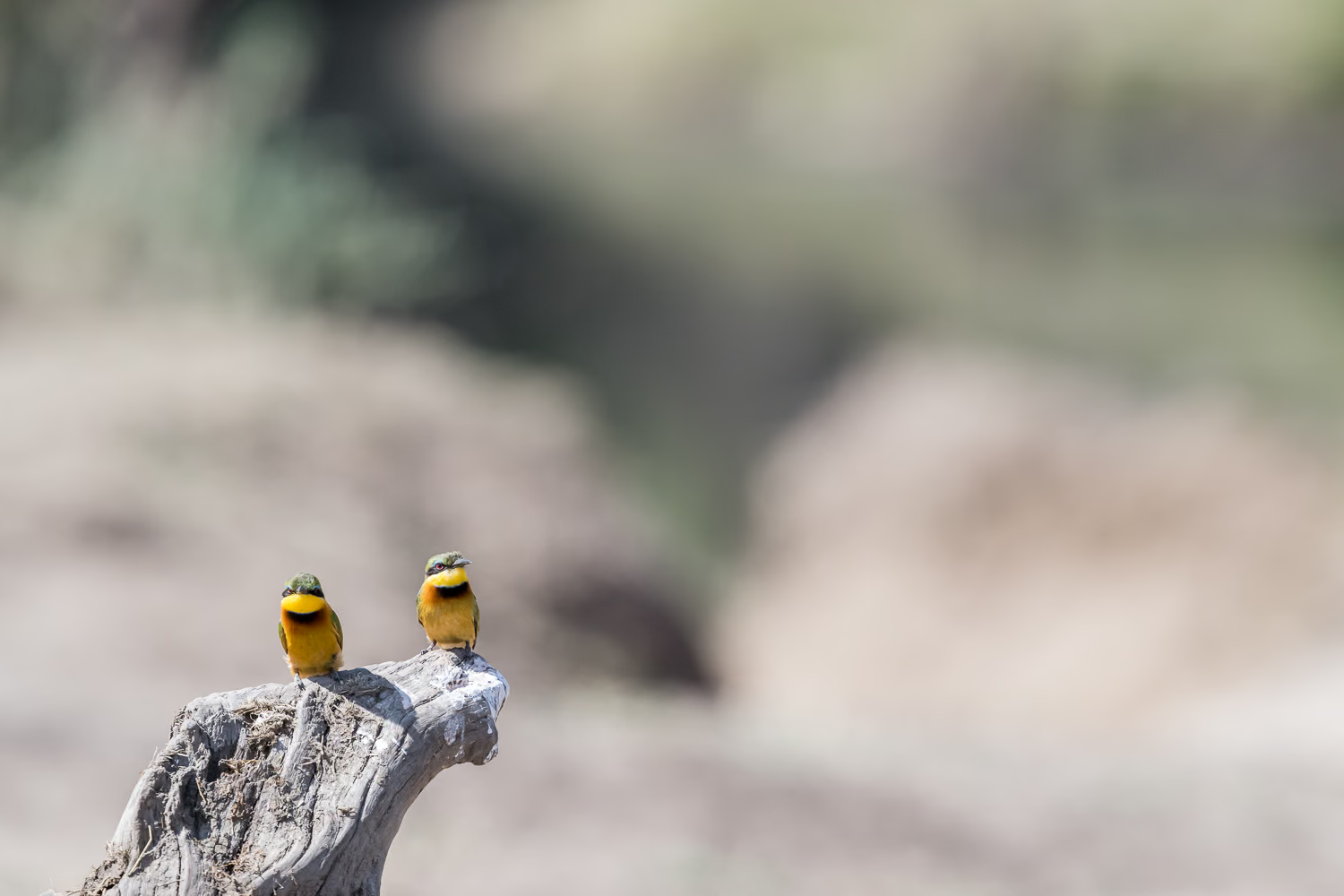
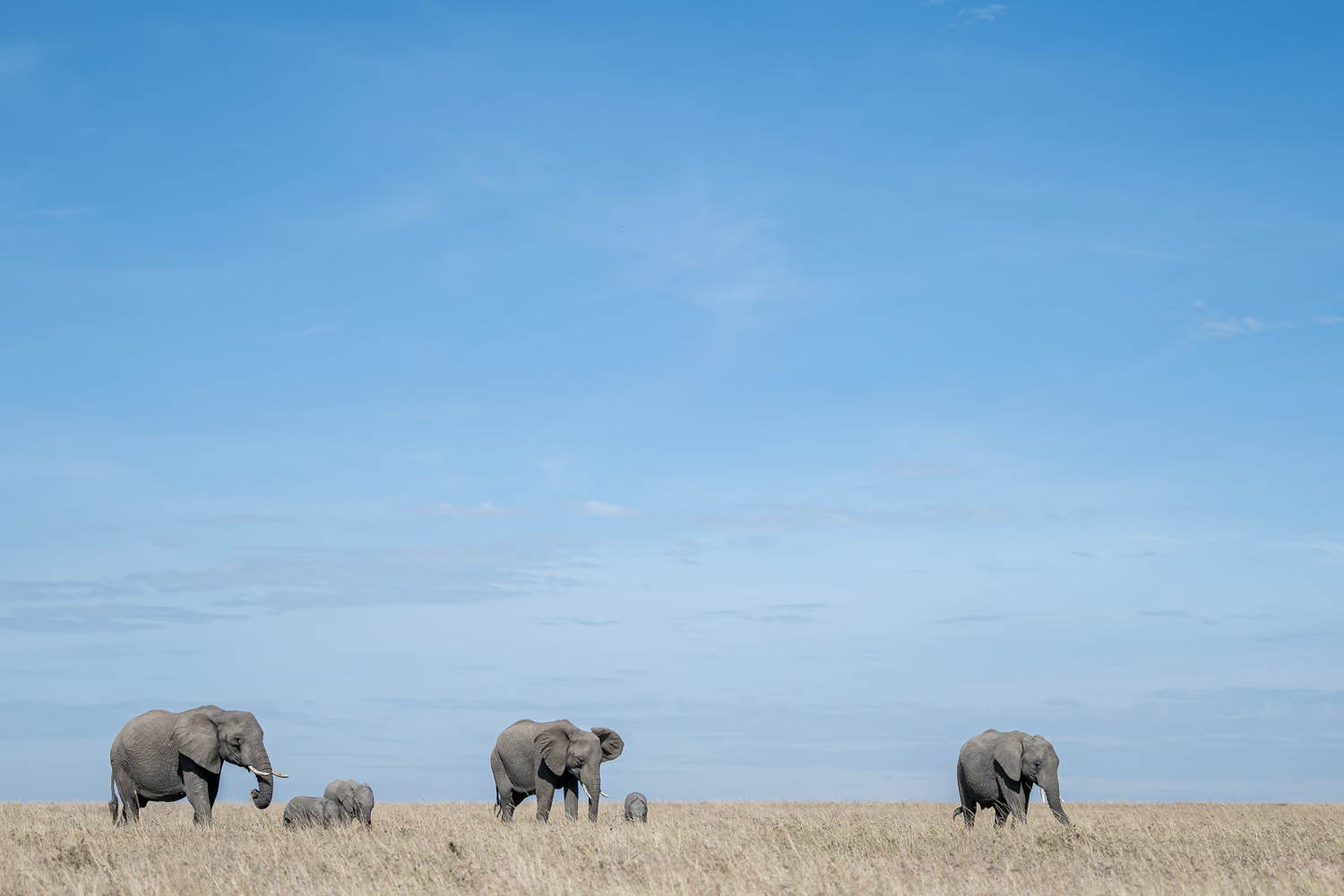
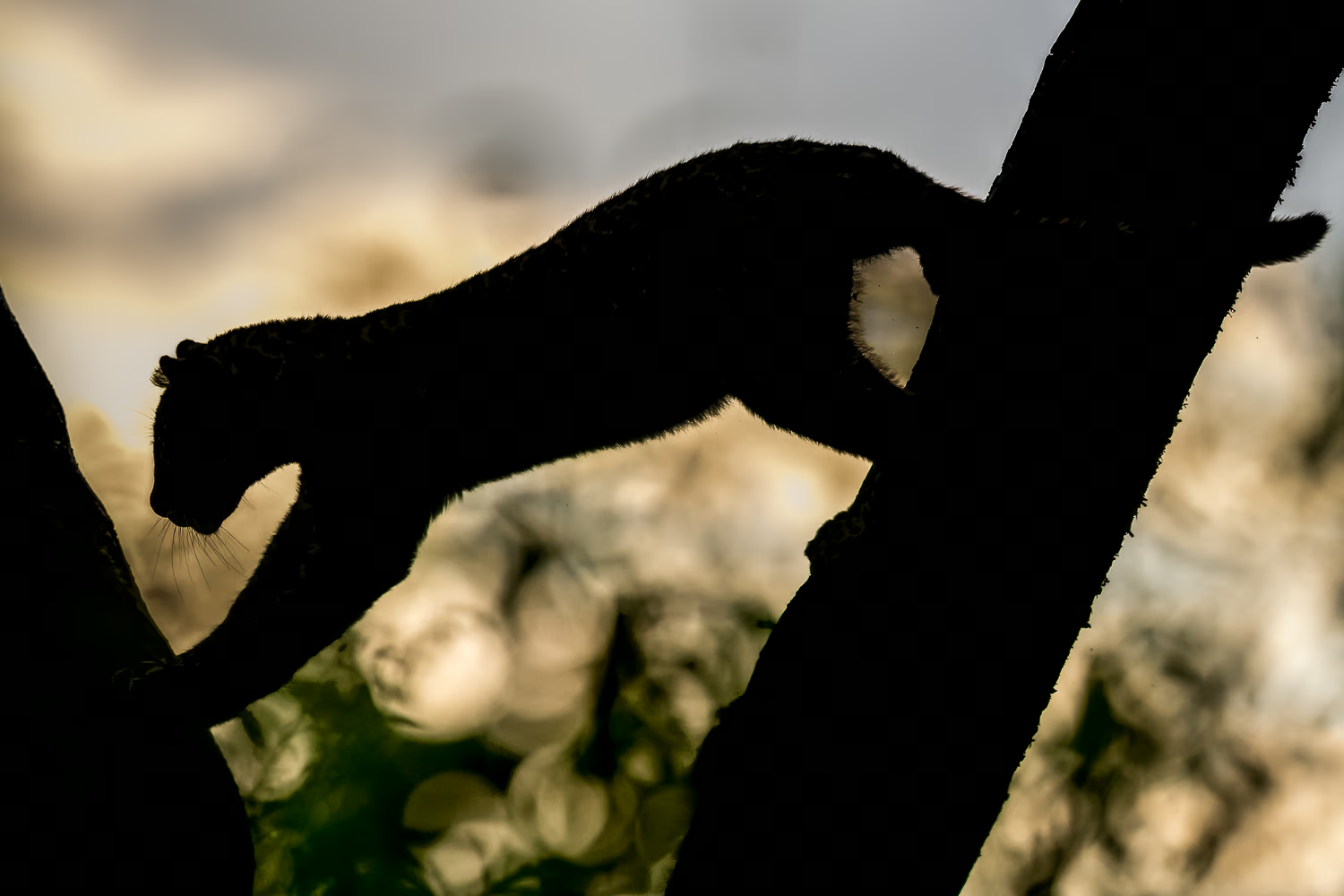
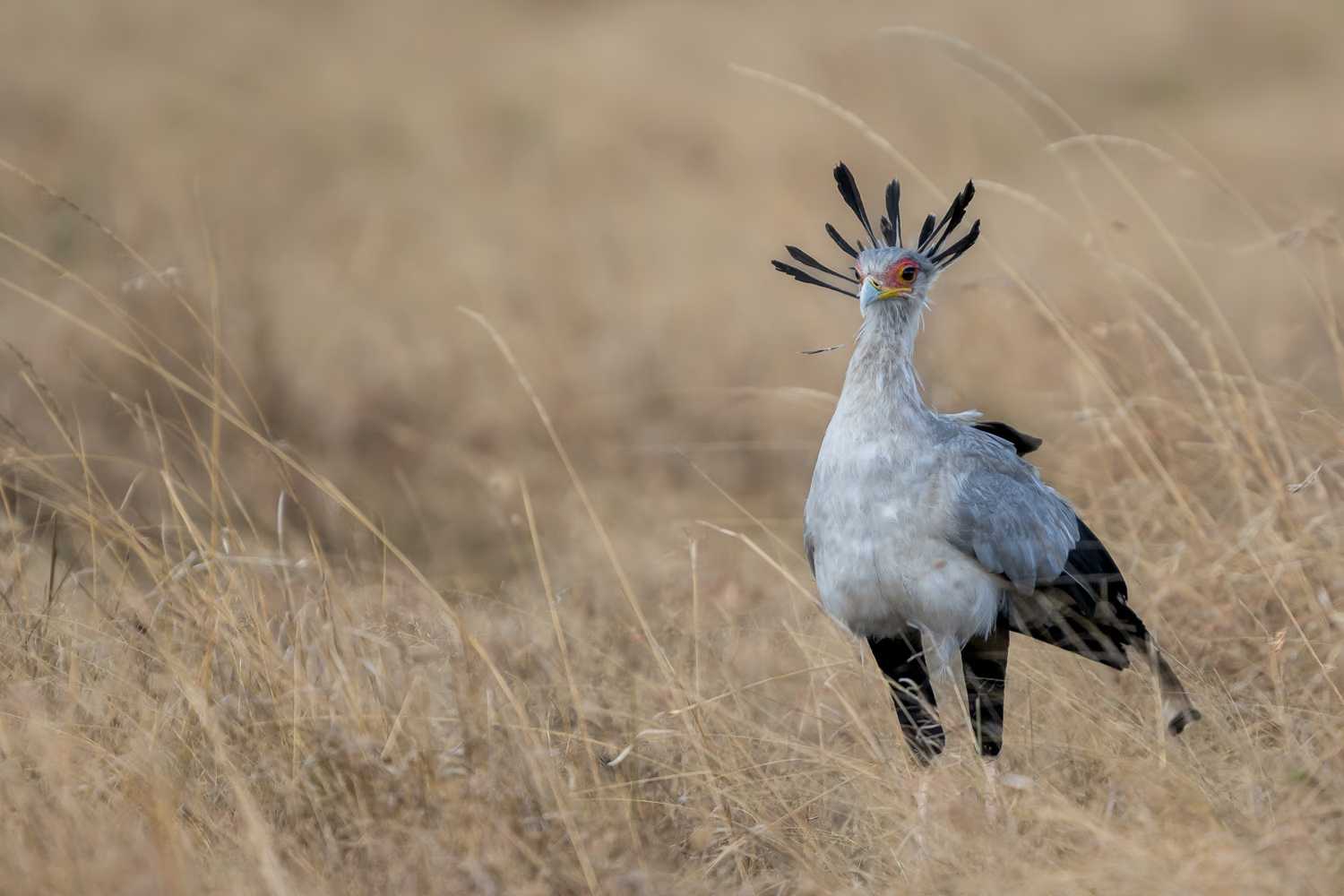
And that was far from all: cheetahs on three occasions, elephants in herds of over 50 animals, a leopard and her cub seen twice, zebras, antelopes, warthogs, monkeys, and a stunning variety of birds.
By the end, we were almost overwhelmed – in the best possible way.
Bush Breakfasts and Sundowners
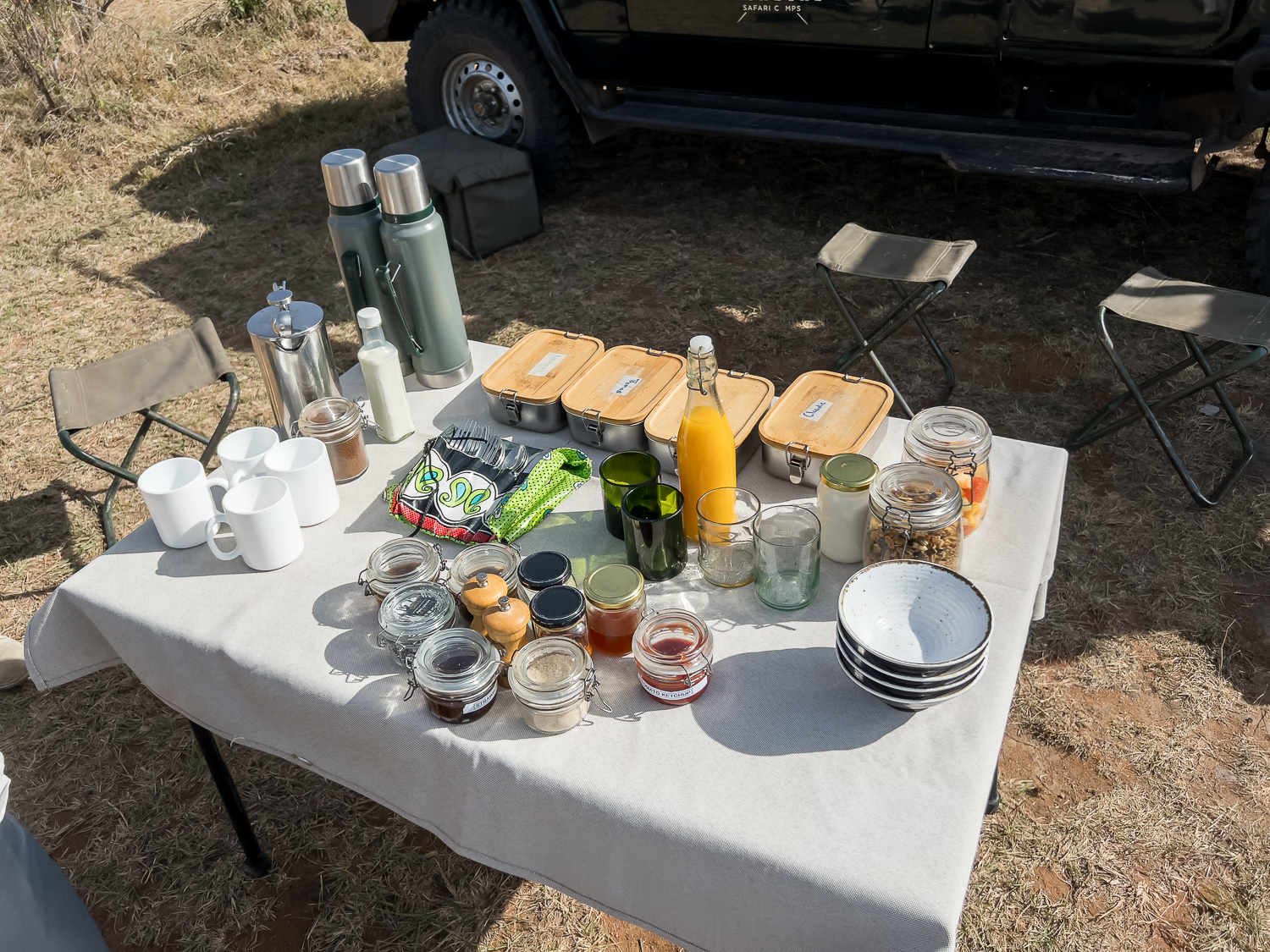
Breakfast never happened before morning drives. Instead, around 9:00–9:30, our guides would find a safe spot, set up a table and chairs, and serve a full bush breakfast: coffee, tea, muesli, eggs, bacon, toast—whatever we had ordered the day before.
Evening drives always included a sundowner in the car. We usually opted for white wine, accompanied by a rotating selection of snacks—from popcorn to mozzarella sticks and sausages.
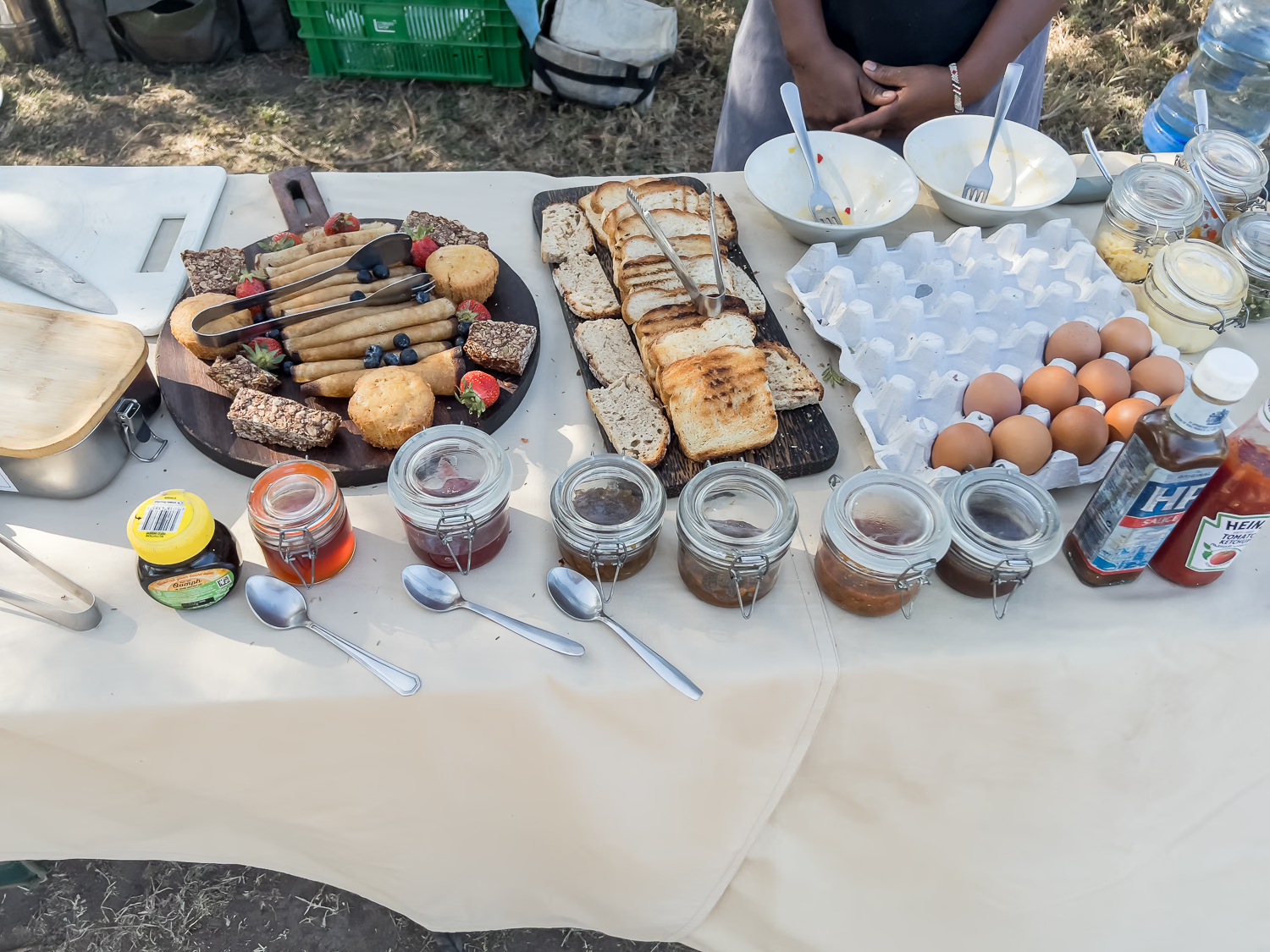
On our final morning, Bernard saved the best for last: a full breakfast buffet in the bush, with a chef preparing eggs to order. A perfect farewell.
Saying Goodbye
After that final breakfast, it was time to say goodbye. Bernard drove us to the airstrip, where a small plane brought us back to Nairobi. That evening, we flew back to Frankfurt and on to Zurich.
A truly unforgettable journey.
A photography trip beyond anything we had experienced before.
Without question, a trip of a lifetime.
Check out my Kenia gallery for more images and larger versions of the images.